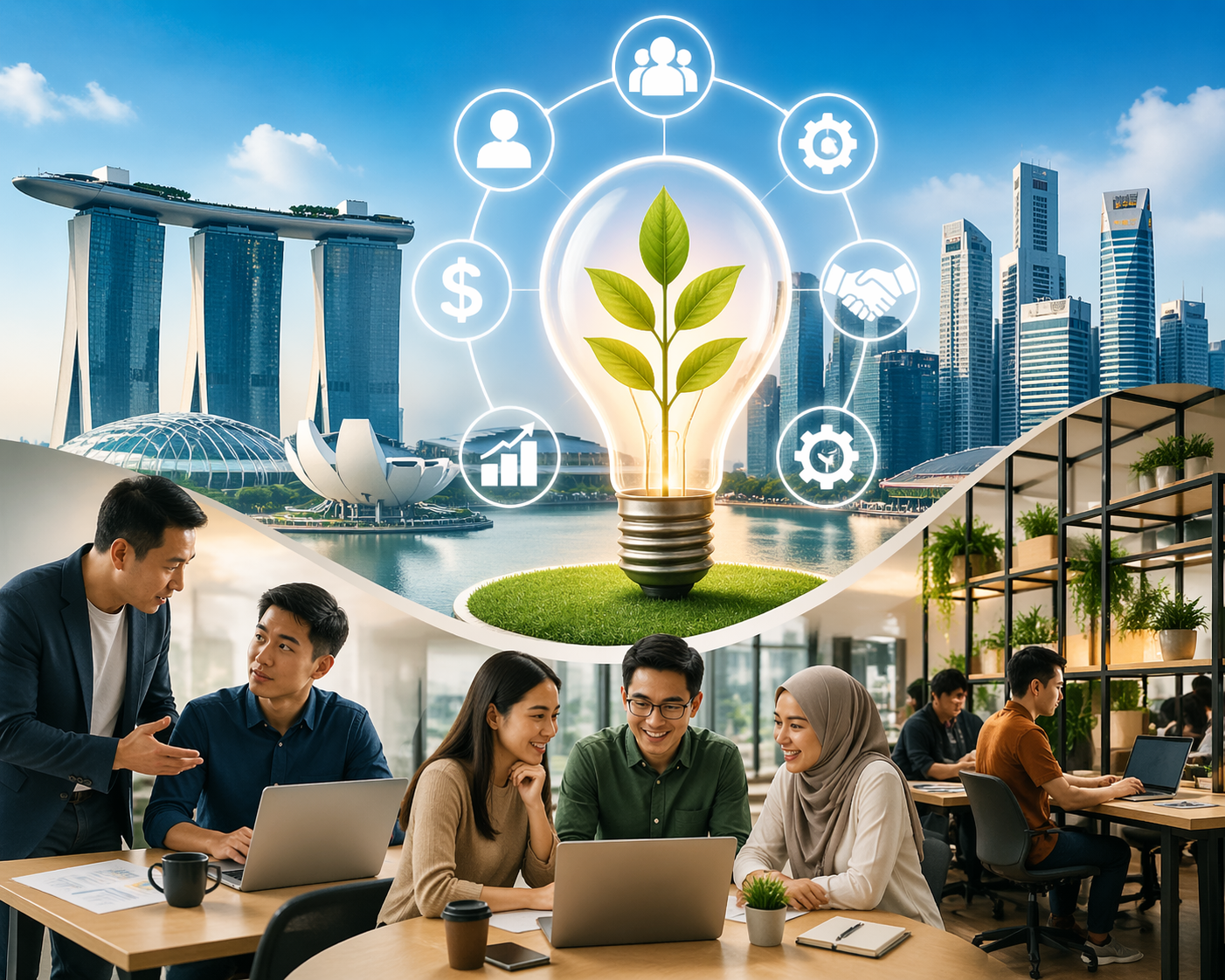
Singapore is increasingly becoming a global leader in the startup space, particularly within technology and digital innovation. As the country continues to embrace digital transformation, startups are at the forefront of this revolution, driving technological advancements and creating solutions that are reshaping industries. Artificial Intelligence (AI), blockchain technology, fintech solutions, and sustainability are some of the key trends driving innovation in Singapore’s start-up ecosystem.
AI has emerged as a transformative force for many Singaporean startups. By leveraging machine learning and deep learning technologies, startups are automating processes, enhancing decision-making, and improving customer engagement. AI is making a profound impact in industries such as finance, healthcare, and e-commerce. For example, in healthcare, AI-powered diagnostic tools are helping doctors make more accurate decisions, while in finance, AI is being used to improve fraud detection and streamline regulatory compliance.
Blockchain technology is also gaining significant traction among Singaporean startups. Blockchain’s decentralized nature and ability to provide transparency, security, and immutability have made it an attractive solution for a variety of sectors, including finance, logistics, and supply chain management. By incorporating blockchain into their systems, startups are able to provide more secure transactions, traceable supply chains, and greater transparency for consumers and businesses alike.
The fintech sector in Singapore has seen an explosion of innovative startups that are changing the way financial services are accessed and delivered. Mobile wallets, digital banking platforms, and peer-to-peer lending services are revolutionizing how people manage their finances. These fintech solutions are particularly important in Southeast Asia, where there is a large unbanked population. By providing accessible and low-cost financial services, these startups are helping to bridge the financial inclusion gap and empower underserved communities.
Another significant trend among Singaporean startups is a focus on sustainability. With growing concerns over climate change, many startups are leveraging technology to address environmental challenges. Innovations in renewable energy, waste management, and sustainable agriculture are driving the push for a greener future. Singapore’s commitment to sustainability is encouraging startups to develop solutions that reduce carbon emissions, improve resource efficiency, and protect natural ecosystems.
As digital transformation continues to unfold, cybersecurity remains a critical concern for startups in Singapore. With the rise of cybercrime and data breaches, safeguarding user data has become paramount. Many startups are investing in advanced cybersecurity measures, such as multi-factor authentication, encryption, and blockchain solutions, to ensure their platforms remain secure and trustworthy.
Singapore’s startup ecosystem is characterized by its collaborative approach. Startups are increasingly partnering with larger corporations, universities, and government agencies to co-create solutions and leverage each other’s expertise. These collaborations are essential for fostering innovation, scaling new technologies, and ensuring that Singapore maintains its competitive edge in the global digital economy.
The future of Singapore’s digital economy is undeniably linked to the success of its startups. By adopting and creating new technologies such as AI, blockchain, and sustainable solutions, Singapore’s startups are shaping a future that is more efficient, secure, and environmentally responsible. With continued support from the government and a thriving ecosystem of innovation, Singapore is poised to remain a global leader in the digital revolution.