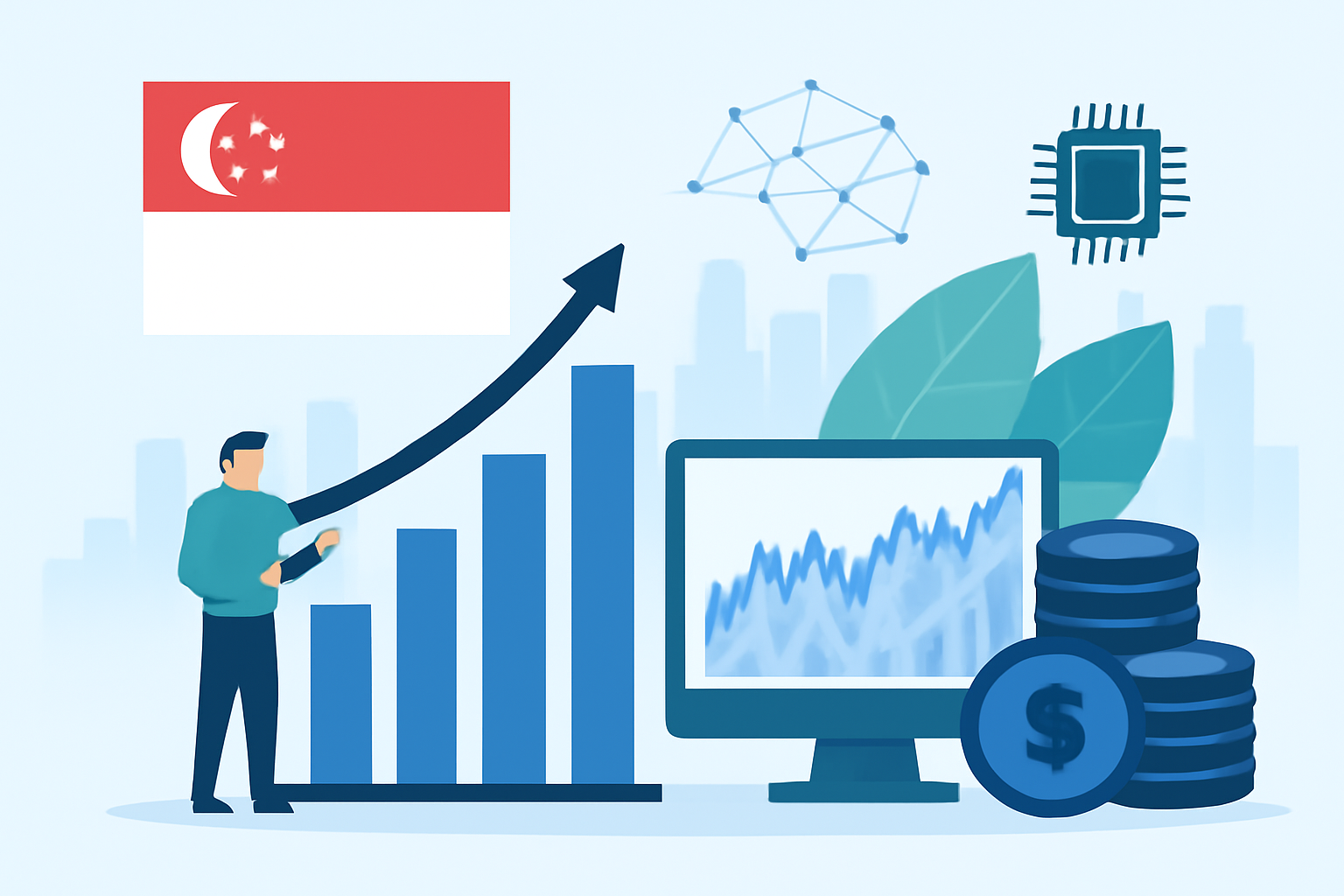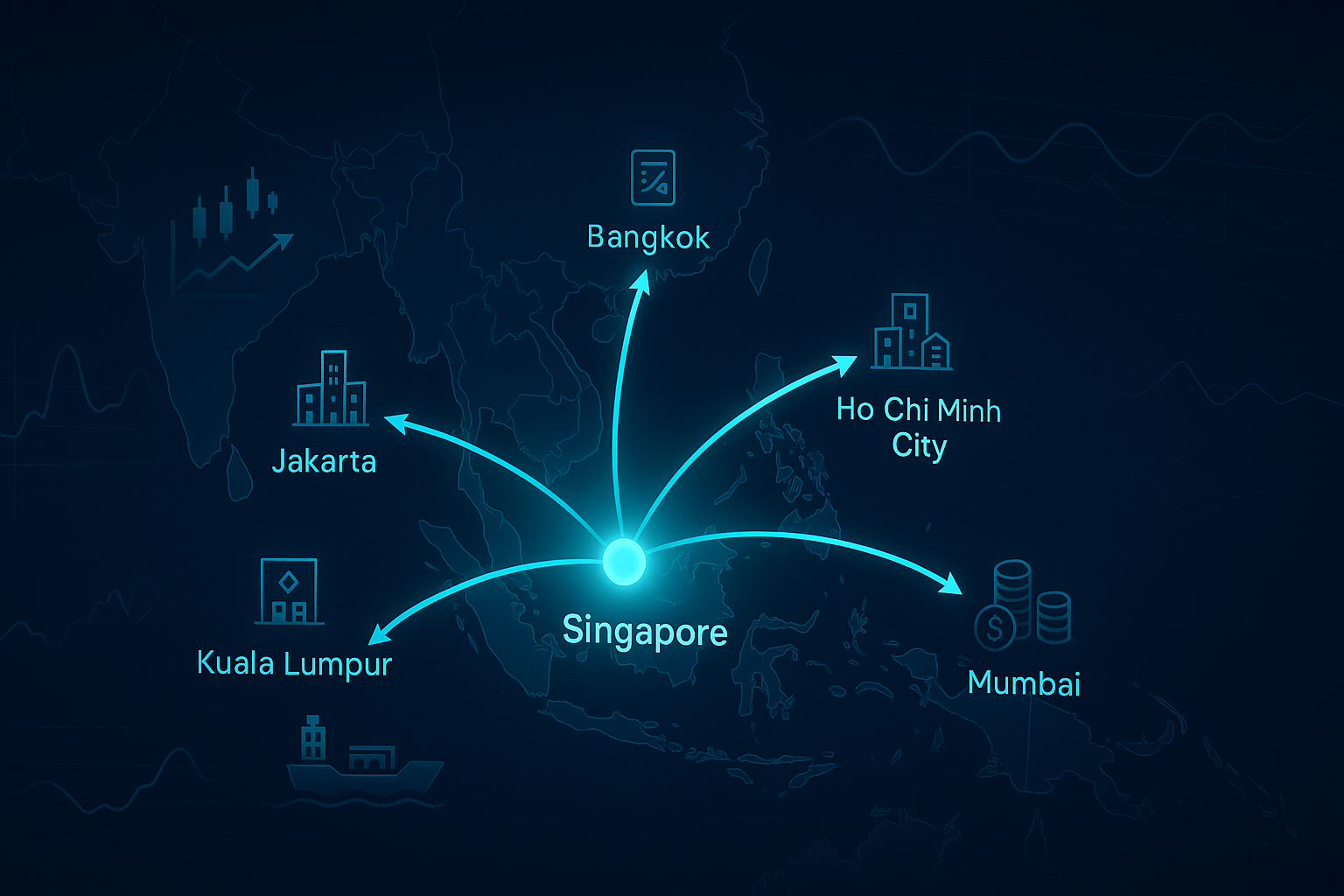
Singapore has earned a reputation as a technology hub, attracting both investors and startups alike. With the rapid pace of digital transformation, the technology sector in Singapore presents significant investment opportunities. However, like any high-growth sector, it is essential for investors to fully understand the opportunities and risks before committing capital.
Key Drivers of Growth
Singapore’s tech sector is bolstered by several key drivers, including strong government support for innovation, an increasingly tech-savvy population, and a solid infrastructure for businesses. The government’s commitment to building a Smart Nation has led to the development of smart city projects and initiatives in AI, cybersecurity, and IoT. This provides a strong tailwind for companies working in these areas.
Singapore is also a leading center for fintech, with numerous startups emerging in digital banking, payment processing, and blockchain. Additionally, established firms like Sea Group have capitalized on the growing e-commerce sector, giving investors a variety of companies to choose from.
The country’s favorable business environment, low tax rates, and stable political system make it an ideal destination for tech companies. As a result, investors looking to diversify into Asia’s growing digital economy are increasingly turning to Singapore’s tech stocks for growth opportunities.
Risks Investors Should Be Aware Of
While the growth potential of Singapore’s tech sector is undeniable, investors must also be mindful of the risks. One of the main risks is the volatility of tech stocks. The technology sector is known for rapid shifts in market sentiment, technological disruptions, and changing consumer preferences. This volatility can lead to large fluctuations in stock prices, making it difficult for investors to predict returns in the short term.
Furthermore, competition within the tech industry in Singapore is fierce. Both local startups and global giants like Google, Amazon, and Alibaba are all vying for market share. As these companies increase their investments in Southeast Asia, smaller local firms may struggle to keep up, which could negatively affect their growth prospects.
Lastly, the regulatory landscape for technology companies in Singapore is still evolving. Governments worldwide are introducing more stringent regulations regarding data privacy, AI, and cybersecurity. Any changes in these regulations could impact the operational costs or market conditions for tech firms in Singapore, thereby affecting investor returns.
Making Informed Investment Decisions
Investors interested in Singapore’s tech stocks should carefully assess the long-term growth potential of companies in this space, as well as the risks involved. A diversified portfolio, which includes a mix of different sectors and asset classes, can help mitigate some of the risks associated with investing in high-growth industries.
By keeping a close eye on market trends, regulatory developments, and technological innovations, investors can position themselves to take advantage of the opportunities presented by Singapore’s thriving tech sector.