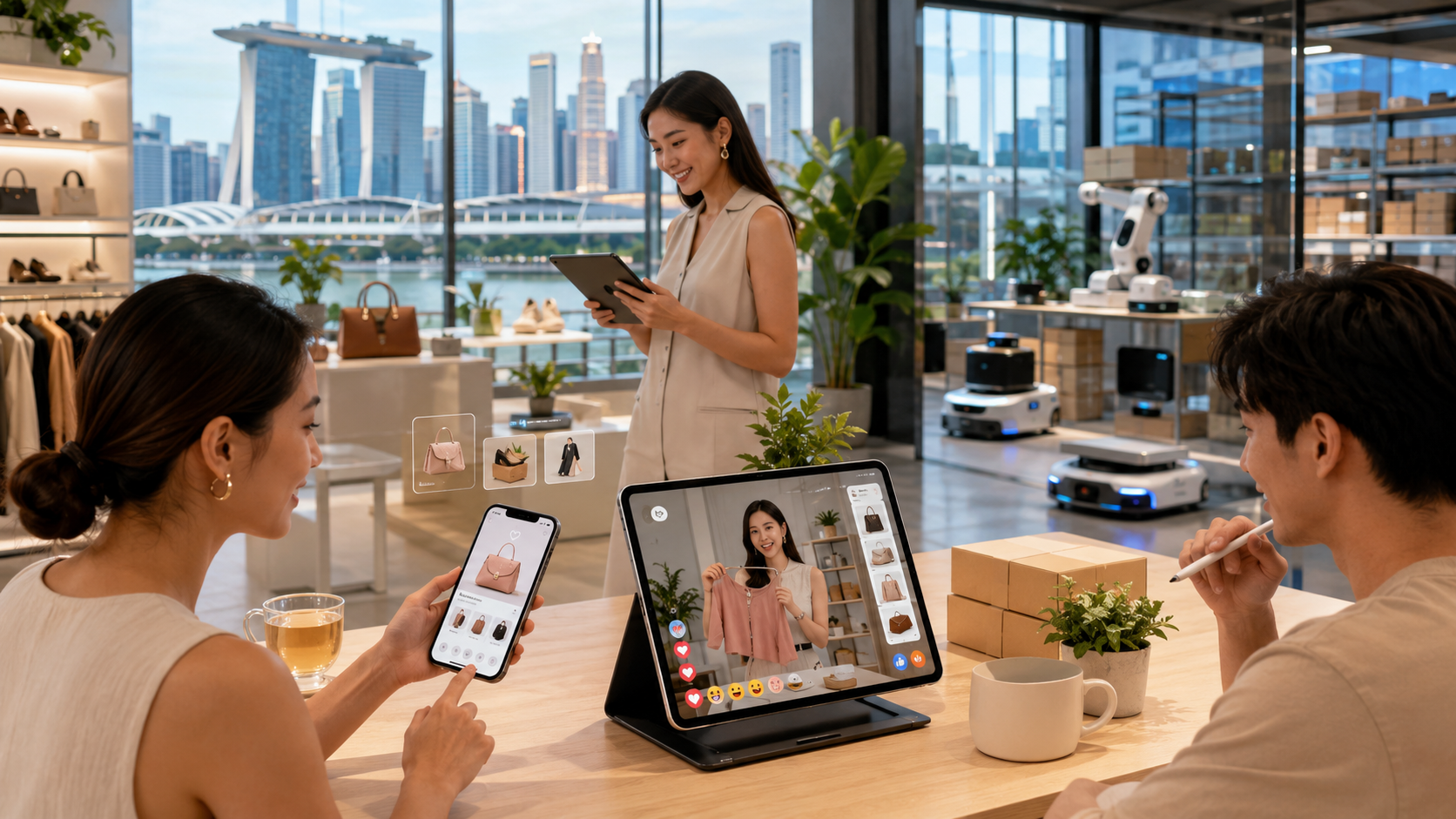
The e-commerce industry in Singapore is entering a highly innovative stage in 2026, where technology, consumer behavior, and creative business models are reshaping the way people discover and purchase products. New-generation start-ups are moving beyond traditional online marketplaces by creating immersive, intelligent, and community-driven shopping experiences.
These companies are redefining retail by combining artificial intelligence, social interaction, automation, and personalized services into one digital ecosystem.
The Rise of Experience-Based E-Commerce
Consumers today expect more than simple online transactions. They want convenience, entertainment, recommendations, and meaningful interaction with brands.
Singapore e-commerce start-ups are responding by developing experience-based platforms where shopping becomes more engaging. Features such as livestream shopping, influencer partnerships, interactive product demonstrations, and personalized recommendations are becoming increasingly important.
This shift reflects a broader transformation in global consumer behavior, where digital platforms compete not only through products but also through customer experiences.
Artificial Intelligence Drives Smarter Retail Decisions
AI technology has become one of the strongest growth drivers for Singapore’s e-commerce sector. Start-ups are using AI to analyze customer preferences, optimize advertising campaigns, automate customer support, and improve inventory management.
Machine learning systems can identify purchasing patterns and predict what consumers may need before they actively search for products.
For businesses, this creates opportunities to improve efficiency while offering customers more relevant shopping experiences.
Singapore’s continued focus on artificial intelligence development can be seen through initiatives supported by the National AI Strategy, available at: https://www.smartnation.gov.sg
Social Commerce Changes Consumer Purchasing Habits
Social commerce is becoming a major opportunity for emerging retailers. Instead of separating entertainment and shopping, businesses are combining both through platforms where consumers can discover products through videos, online communities, and digital creators.
Singapore start-ups are leveraging social media trends to build stronger brand relationships, particularly among younger consumers.
This model allows smaller brands to compete by creating authentic engagement rather than relying only on expensive advertising campaigns.
Automation Improves Retail Efficiency
Operational efficiency is another important factor influencing e-commerce success in 2026. Start-ups are adopting automation technologies for warehouse management, order processing, and customer communication.
Automated systems help businesses handle increasing demand while maintaining service quality.
For smaller companies, automation provides a way to compete with larger competitors by reducing operational costs and improving response speed.
Personalization Becomes the New Retail Standard
Personalization has become one of the strongest expectations among digital consumers. Shoppers increasingly prefer platforms that understand their interests and provide relevant suggestions.
Singapore e-commerce start-ups are using customer data responsibly to create customized experiences, from personalized product recommendations to targeted promotions.
This approach strengthens customer loyalty and increases the likelihood of repeat purchases.
Singapore’s Position in the Next Retail Era
Singapore’s e-commerce start-ups in 2026 represent a new generation of digital retailers that combine technology, creativity, and consumer understanding. Their success will depend on their ability to adapt quickly, create unique experiences, and expand into regional markets.
As retail continues to evolve, Singapore is positioned as one of Asia’s key innovation centers for the future of digital commerce.