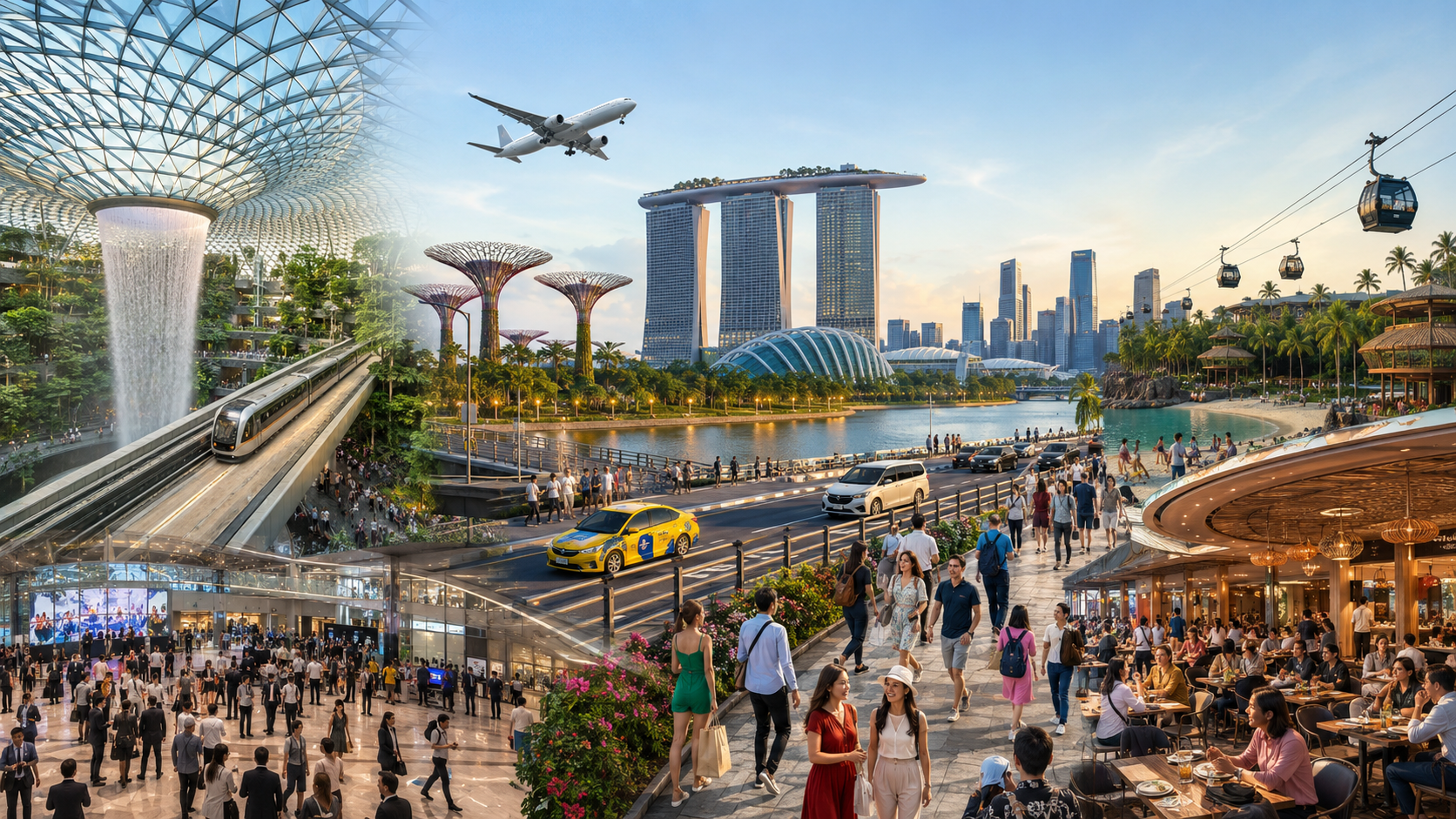
Singapore’s restaurant and beverage brands are outperforming competitors across Southeast Asia in 2026. Their success is not accidental. It rests on a combination of halal certification, digital supply chain management, and deep menu localization. This article examines how Singapore F&B companies are turning their small home market into a competitive advantage.
Turning a Small Market into a Regional Launchpad
With a domestic population under six million, Singapore F&B companies must look outward to grow. The 2026 Enterprise Singapore Food & Beverage Industry Outlook shows that regional franchise deals and packaged food exports are increasing by 8.4 percent annually. Brands like Ya Kun Kaya Toast, Killiney Kopitiam, and Crystal Jade are opening outlets in Jakarta, Kuala Lumpur, and Ho Chi Minh City. Singapore’s strong food safety standards and efficient logistics make it an ideal base for managing regional operations.
Halal Certification as a Trust Signal
Trust is the most valuable currency in the food industry. Halal certification gives Singapore brands a distinct advantage in Muslim-majority markets such as Indonesia and Malaysia, which account for a huge share of Southeast Asia’s food spending. In 2026, Singapore companies are not only obtaining halal certification for individual products but also for entire central kitchens and franchise networks. This comprehensive approach builds long-term consumer trust. Even in non-Muslim markets like Vietnam and Thailand, halal certification is seen as a sign of cleanliness and quality, further enhancing brand reputation.
Digital Supply Chains Enable Rapid Scaling
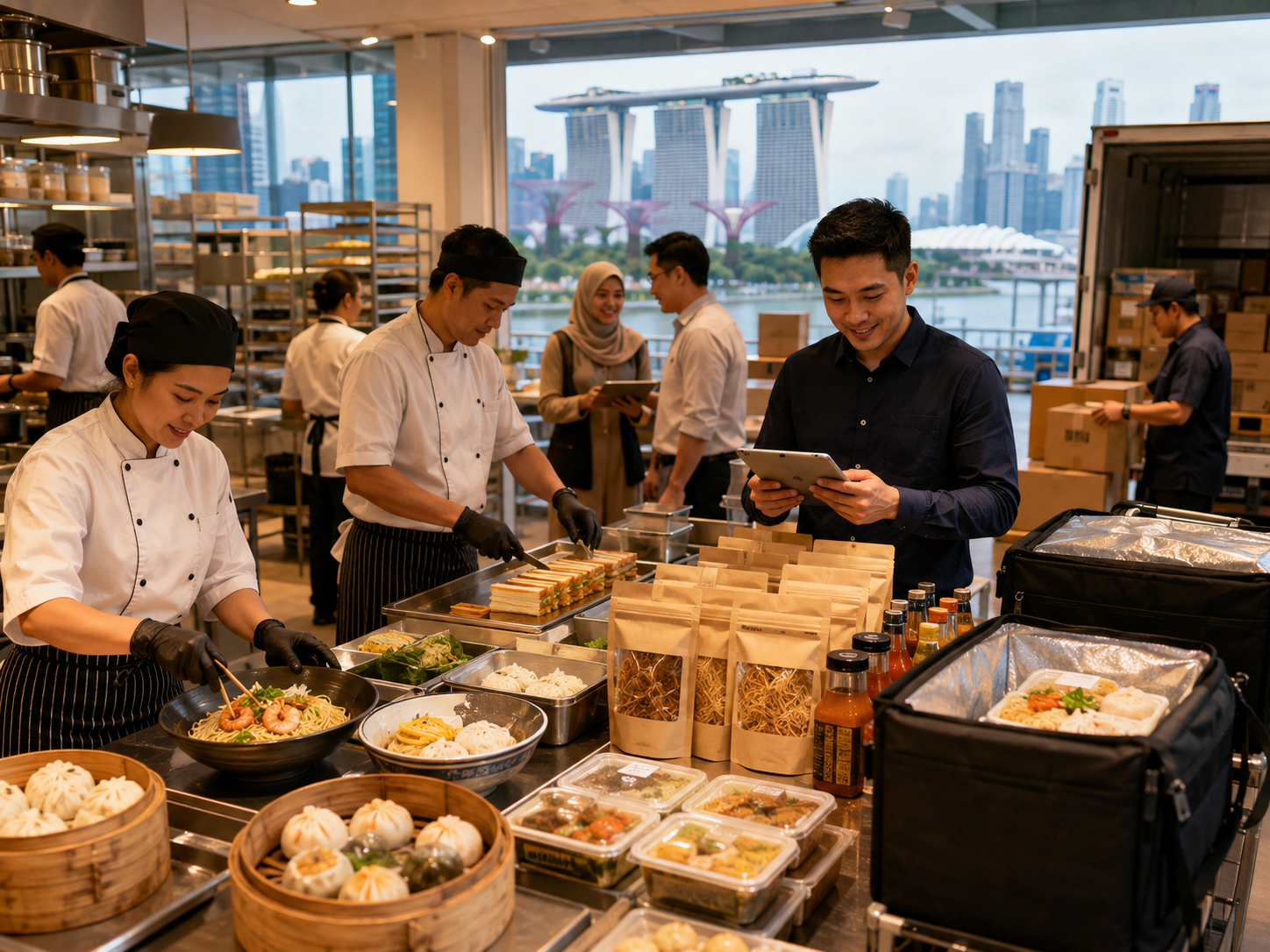
Technology allows Singapore F&B brands to replicate their success quickly in new markets. Cloud kitchens and central production facilities in Singapore prepare sauces, broths, and frozen products that are shipped to franchisees across the region. AI-powered tools monitor inventory levels and predict demand spikes, reducing waste and improving profitability. Point-of-sale systems integrate with mobile apps, allowing customers to order ahead and receive personalized promotions. This digital backbone makes it easier for Singapore brands to maintain consistent quality across dozens of locations.
Menu Localization Driven by Real-Time Data
Successful localization requires more than guesswork. Singapore F&B companies use data analytics to track which menu items sell best in each market. In Indonesia, sweeter versions of traditional Singaporean dishes perform well. In Thailand, spicier profiles are preferred. In the Philippines, rice-based meals dominate. By adjusting recipes and portion sizes based on real-time sales data, Singapore brands increase customer satisfaction and reduce menu failures. This data-driven approach also helps them decide when to introduce new products or retire underperforming ones.
Sustainability as a Long-Term Growth Strategy
Consumers in 2026 care about where their food comes from. Singapore F&B companies are responding with sustainable sourcing and eco-friendly packaging. The Singapore Food Agency’s “30 by 30” initiative has encouraged partnerships with local urban farms and alternative protein startups. Several Singapore restaurant groups now feature plant-based laksa, mushroom-based patties, and drinks made with oat milk. These items appeal to health-conscious and environmentally aware customers, helping Singapore brands stand out in crowded markets.
Singapore F&B companies are proving that a small city-state can produce regional culinary champions. Their focus on halal certification, digital efficiency, localization, and sustainability is a blueprint for success in Southeast Asia’s fast-changing food landscape.