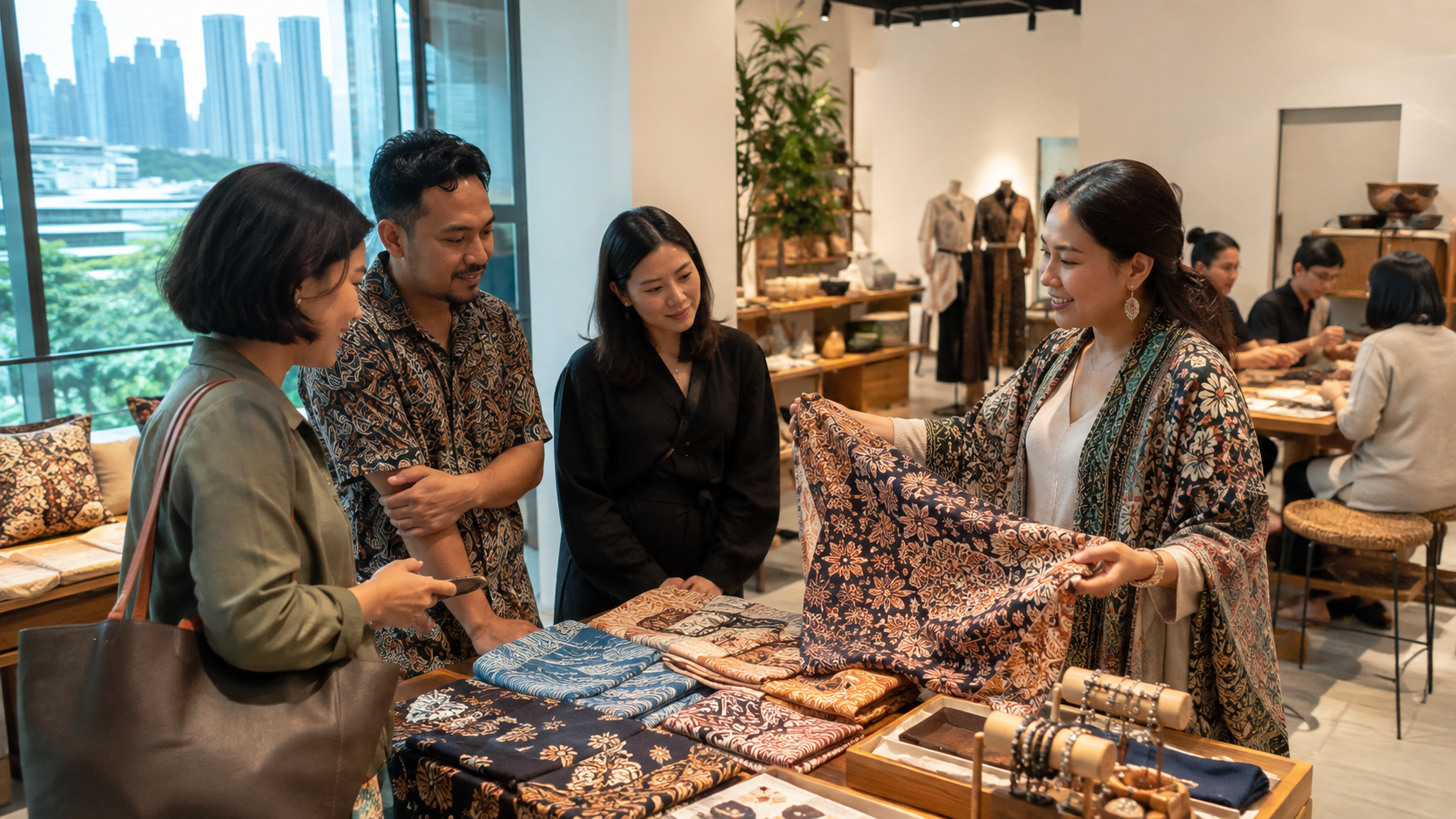
Profitability in the arts is possible when founders treat creativity as a professional practice supported by business discipline. In Singapore’s 2026 market, new trends are making it easier for small arts businesses to generate repeat revenue, reduce risk, and expand across Southeast Asia.
2026 Trends Reshaping the Singapore Arts Market
Experiential Formats Are Replacing Passive Viewing
Audiences in Singapore are spending more on immersive exhibitions, interactive performances, and behind-the-scenes studio experiences. This shift benefits small operators who can offer intimate, high-touch formats that large institutions struggle to replicate.
Private Museums and Corporate Collections Are Expanding
Corporate and private collectors are commissioning more site-specific works and building longer-term relationships with emerging artists. Art advisory firms, collection management services, and independent curators are seeing rising demand from family offices and corporate campuses.
Government and Industry Support Systems You Should Know
Grants, Space, and Internationalisation Programmes
Singapore’s creative ecosystem offers multiple entry points for new arts businesses. The Ministry of Culture, Community and Youth’s Our SG Arts Plan, updated through 2026, focuses on building a resilient arts sector with stronger commercial partnerships. The plan is available at https://www.mccy.gov.sg/sector/arts/our-sg-arts-plan. It connects arts groups with funding, capacity building, and international platforms.
Real Case: A Performing Arts Collective That Pivoted to Hybrid Programming
A Singapore-based performing arts collective faced declining physical attendance in 2024. It shifted to hybrid programming by selling livestream tickets, recording short-form performance series for corporate clients, and offering artist-led masterclasses. By 2026, the collective had diversified its revenue across ticketing, digital subscriptions, and education services. This case shows how creative businesses can survive demand shifts by packaging their expertise into multiple formats.
Steps to Launch or Scale Your Creative Venture in 2026
Start with a clear revenue model: identify who pays, how often, and through which channel. Use Singapore’s compact market to test concepts quickly before expanding regionally. Protect your creative assets with licensing agreements and clear IP ownership. Build a small advisory network that includes an accountant, a commercial lawyer, and an experienced arts entrepreneur. Apply for grants only after defining your market entry plan, not before.
The businesses gaining the most traction in 2026 are those that blend artistic vision with operational clarity and regional ambition.