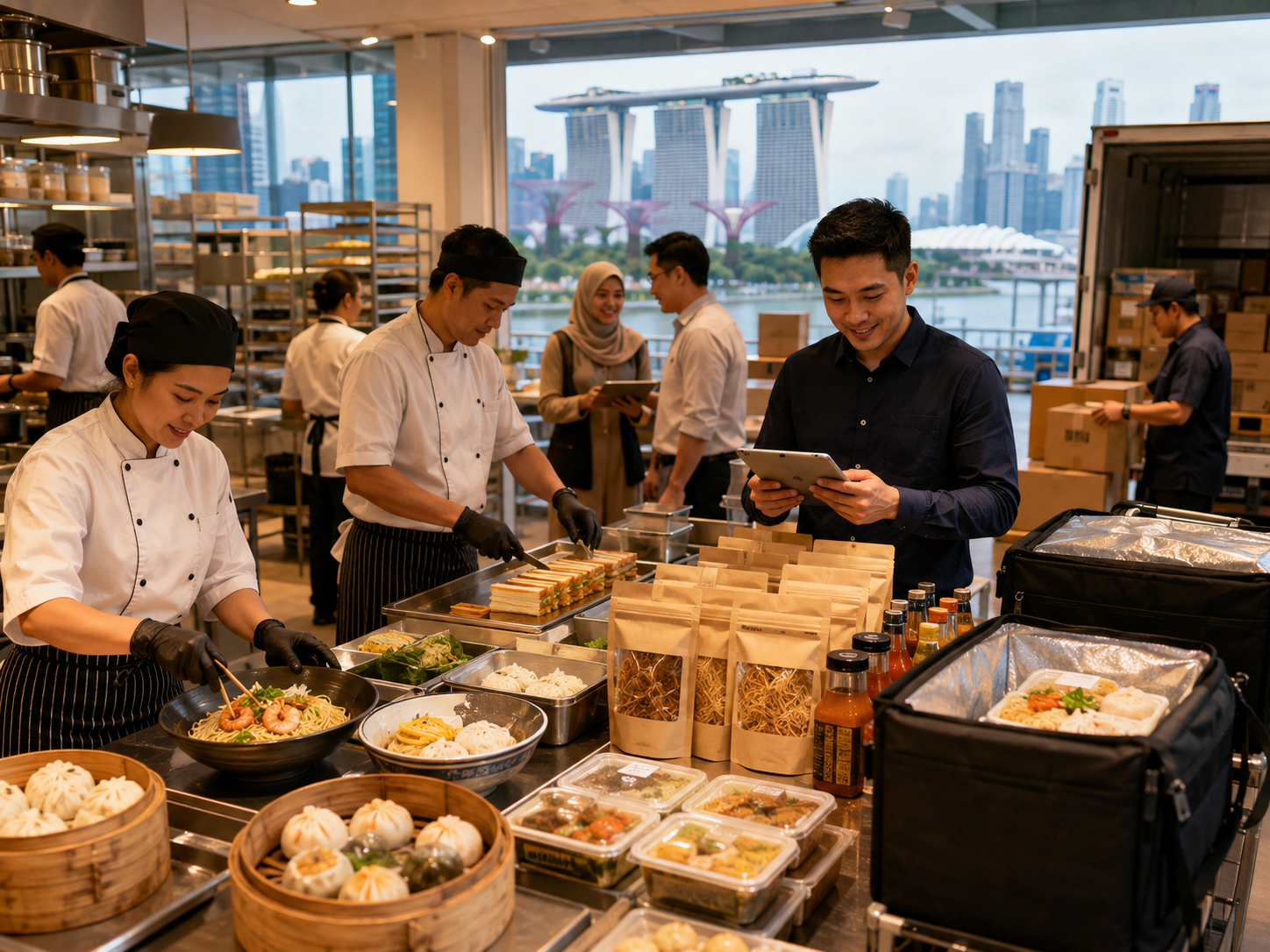
The retail sector in Singapore is undergoing a significant shift as consumer preferences evolve and new technologies reshape the way people shop. As one of Asia’s leading retail markets, Singapore is witnessing trends that reflect global changes, with digital innovation, sustainability, and shifting consumer demands at the forefront of this transformation.
One of the most significant changes in recent years has been the accelerated growth of e-commerce. While online shopping was once a niche option, it is now the dominant mode of shopping for many consumers in Singapore. The convenience of shopping online, combined with fast delivery services, has led to a decline in foot traffic to traditional brick-and-mortar stores. While physical retail still plays an important role, many brands are realizing that they must invest in e-commerce platforms to remain competitive in the digital age.
During the COVID-19 pandemic, many consumers turned to online shopping for the first time, and this behavior has persisted even after restrictions were lifted. The online marketplace has proven to be a safe and convenient way to shop, and many consumers are now accustomed to browsing, purchasing, and receiving items all from the comfort of their homes. Retailers have responded by improving their online presence and enhancing their omni-channel strategies to seamlessly integrate both physical and digital shopping experiences.
Beyond the digital shift, sustainability has emerged as another key driver of change in Singapore’s retail sector. Consumers are increasingly concerned about the environment and are prioritizing brands that demonstrate a commitment to sustainability. Retailers are now incorporating eco-friendly products, reducing waste, and implementing environmentally conscious practices across their operations. This trend is not just limited to eco-conscious millennials, as sustainability has become a mainstream consideration across different age groups.
The growing demand for sustainability has also led to the rise of ethical and responsible consumption. Singaporean consumers are paying closer attention to product sourcing, manufacturing processes, and the social and environmental impacts of the brands they support. This has prompted many retailers to adopt fair trade practices, source products from ethical suppliers, and embrace transparency in their business operations.
Data analytics and technology have become integral to shaping the shopping experience in Singapore. With access to large amounts of consumer data, retailers can now create highly personalized shopping experiences. From targeted advertising to customized product recommendations, technology has enabled brands to cater to individual preferences, making shopping more relevant and enjoyable for consumers.
Experiential retail is another trend gaining traction in Singapore. Retailers are moving beyond traditional retail models and focusing on creating engaging experiences for customers. These experiences range from virtual try-ons and interactive displays to immersive in-store events and product demonstrations. The aim is to foster emotional connections with consumers, creating memorable experiences that extend beyond just making a purchase.
Pop-up stores and concept shops are also rising in popularity. These temporary retail spaces allow brands to create a sense of excitement and exclusivity, drawing in consumers looking for unique, limited-edition products. Pop-up stores often operate in high-traffic areas and are designed to generate buzz around a brand, making them a powerful marketing tool for businesses.
Luxury goods continue to be a major part of Singapore’s retail market, with a growing demand for high-end products from both local and international brands. The affluent consumer base in Singapore is highly sophisticated and willing to invest in quality products, which ensures that luxury retailers maintain a strong presence in the market. However, even in the luxury space, sustainability and ethical production are gaining importance, with consumers increasingly seeking brands that align with their values.
Finally, local and homegrown brands are becoming more prominent in Singapore’s retail scene. As consumers become more interested in supporting local businesses, many homegrown brands have found success by emphasizing quality, authenticity, and sustainability. This trend not only supports the local economy but also provides a unique selling proposition for consumers seeking distinctive and meaningful products.
As the retail industry in Singapore continues to evolve, businesses must stay agile to keep up with these changing trends. Embracing digital transformation, focusing on sustainability, and creating personalized, engaging shopping experiences are essential strategies for retailers looking to thrive in this competitive market.