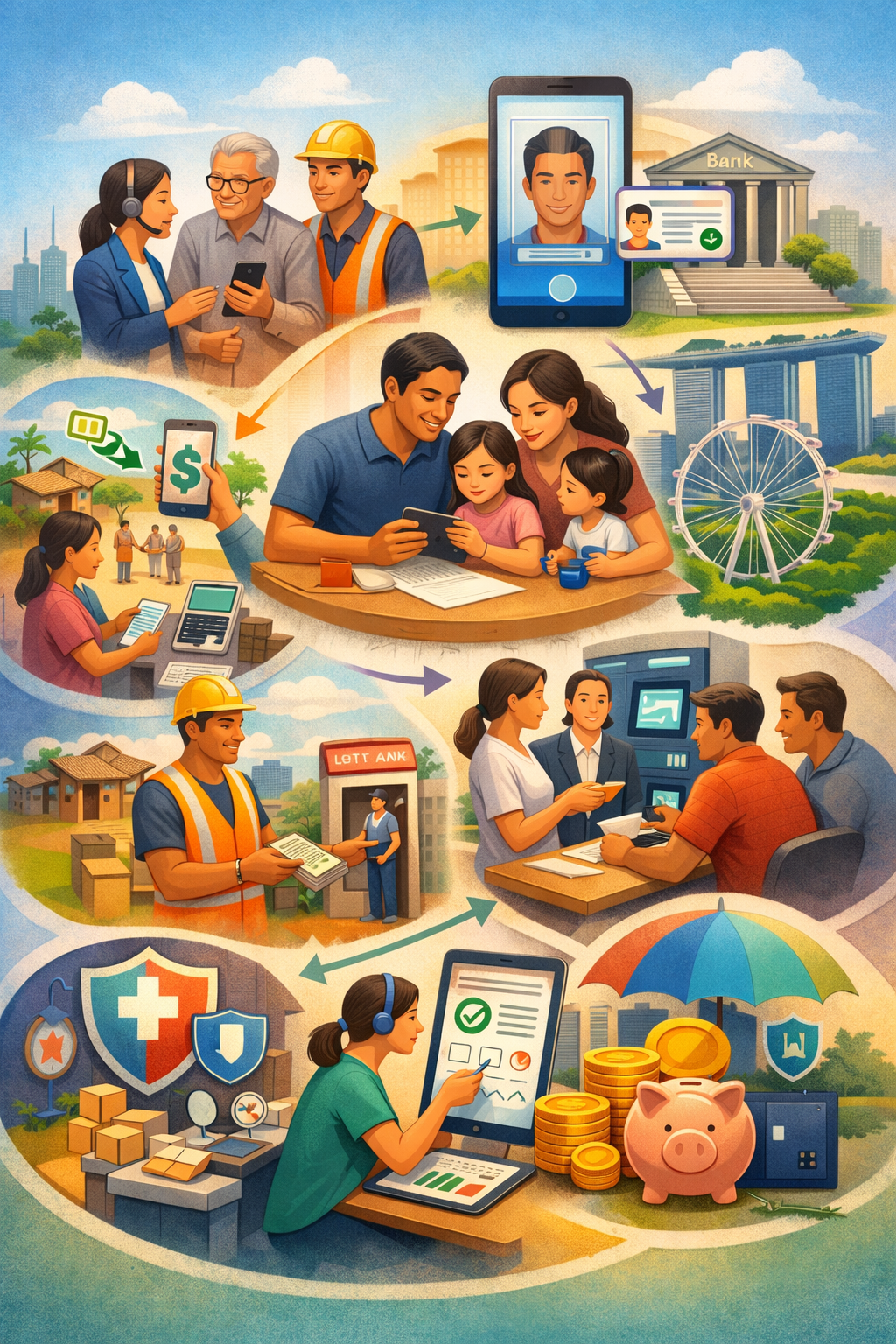
Singapore’s rise as a global leader in digital payments is a testament to the country’s commitment to technological innovation and financial inclusion. Over the past decade, the city-state has witnessed a dramatic transformation in its financial sector, driven by cutting-edge payment technologies that make transactions faster, safer, and more convenient.
A significant driving force behind this transformation is the Singaporean government’s Smart Nation initiative, which seeks to harness technology to improve the lives of citizens and foster economic growth. This initiative has been instrumental in creating a conducive environment for the development and adoption of digital payment systems, supported by the Monetary Authority of Singapore (MAS), which oversees regulatory frameworks that balance innovation and security.
Among the most prominent innovations is PayNow, a peer-to-peer (P2P) payment service that was introduced in 2017. PayNow allows individuals to send money instantly using their mobile number, NRIC, or FIN, bypassing the need for traditional bank details. This service has become a game-changer for everyday transactions, allowing users to transfer money without the delays or complexities associated with traditional banking methods. PayNow’s simplicity and speed have made it a popular option for Singaporeans, with millions of registered users.
In addition to PayNow, digital wallets and mobile payment apps have proliferated in Singapore, offering consumers an easy and efficient way to handle their finances. Platforms such as GrabPay, DBS PayLah!, and Singtel Dash allow users to make payments for goods and services directly from their smartphones, often integrating additional features such as loyalty rewards and promotions. These platforms have become indispensable in the lives of many Singaporeans, who have increasingly embraced the convenience of cashless payments.
Singapore’s push for financial inclusion is another key factor that has contributed to the widespread adoption of digital payments. The government has made it a priority to ensure that all segments of society, including those without traditional bank accounts, can access digital financial services. Partnerships between fintech companies and traditional banks have led to the development of solutions that cater to the unbanked and underbanked, ensuring that no one is left behind in the digital economy.
Security has been a top priority in the design and implementation of digital payment systems. With financial transactions becoming increasingly digitized, the need for robust cybersecurity measures is paramount. In Singapore, stringent security protocols, including multi-factor authentication and encryption, have been adopted to protect users’ financial data and build trust in digital payment platforms. As cyber threats evolve, Singapore remains vigilant, continually upgrading its security measures to maintain a safe digital environment for its users.
The ongoing shift towards cashless transactions has been accelerated by the COVID-19 pandemic. With health concerns prompting businesses and consumers to seek contactless payment options, digital payment solutions have surged in popularity. The government has supported this shift by encouraging businesses to adopt digital payment methods and providing incentives to facilitate the transition. As a result, cashless payments have become the norm, further embedding digital payment systems into everyday life.
Looking to the future, Singapore is exploring the potential of blockchain technology and central bank digital currencies (CBDCs) to further enhance its digital payment systems. Projects like Project Ubin, led by the MAS, are investigating the use of blockchain for more efficient and cost-effective payment solutions. These innovations could redefine global financial transactions and solidify Singapore’s position as a leader in the digital payments space.