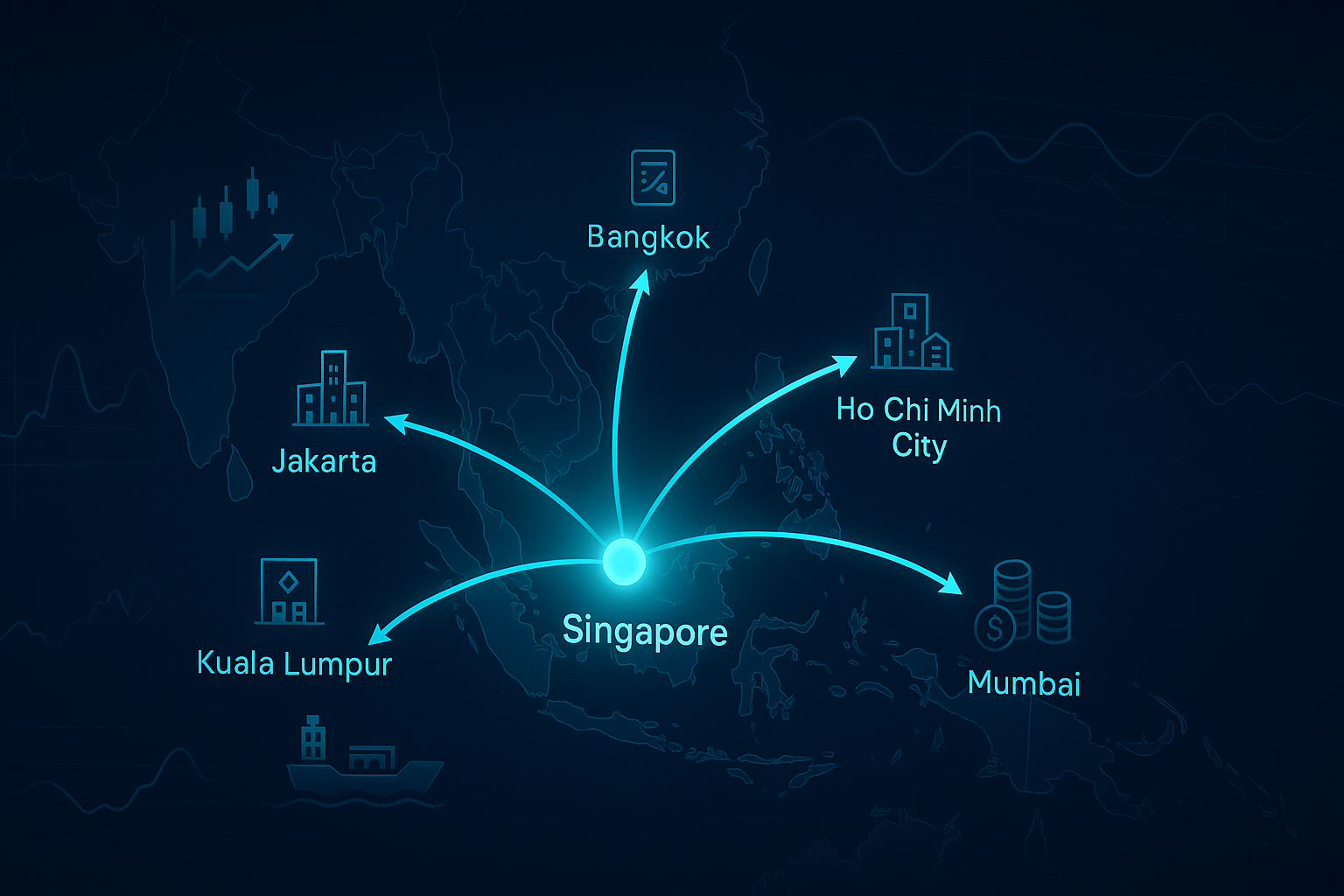
Singapore’s financial ecosystem exerts a magnetic pull on global capital. Predictable tax policy, enforceable contracts, and political stability provide the backdrop; a dense network of service providers—law firms, auditors, global custodians—does the rest. When inflows accelerate, they rarely stop at the border. They wash through broker channels into equity markets around Asia, nudging correlations and steering sector leadership.
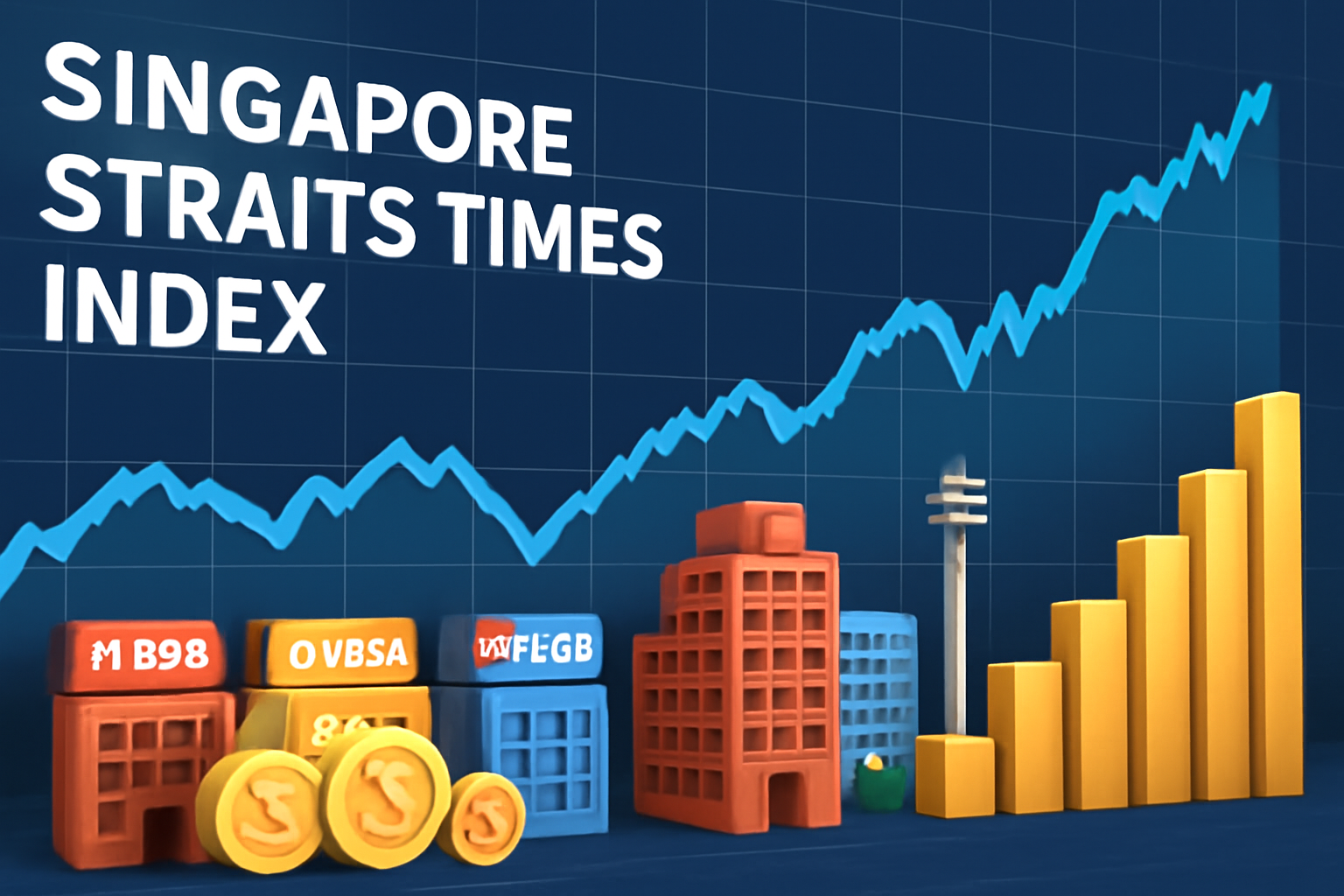
The liquidity story is straightforward: where market makers can hedge seamlessly, they quote tighter spreads. Singapore’s deep FX and money markets let dealers offset risk instantly, which improves equity trading conditions. As spreads compress, passive strategies and factor funds scale up, raising volumes and anchoring prices. This infrastructure is why the Straits Times Index often acts as a barometer for risk appetite linked to global rates, shipping, and intra-Asia trade.
Issuers benefit from credibility. Listing in Singapore signals governance standards that appeal to institutional investors. For Southeast Asian firms, a Singapore presence can enlarge the investable float, improving index inclusion odds and analyst coverage. Those enhancements translate into lower costs of equity, feeding back into capex plans and M&A capacity.
Derivatives extend the reach. Equity index futures, single-stock options, and total return swaps facilitate both speculation and protection. During stress, these instruments provide release valves that keep cash markets orderly. Asset managers re-balance quickly, while hedge funds run relative-value trades between SGX and offshore venues. The resulting price alignment helps Asian equities reflect fundamentals rather than transient imbalances.
Crucially, Singapore’s role is neutral in regional politics, which makes it a preferred base for cross-border deals and private capital. Venture investment, private credit, and infrastructure funds domiciled in the city supply future IPO candidates and create pipelines for secondary offerings. As these portfolios mature, their listings and exits influence sector composition on SGX and neighboring exchanges.
Investors can leverage this magnetism tactically. Watch bank Net Interest Margin trends for signals on the rate cycle; monitor REIT yield spreads versus government bonds to gauge risk sentiment; and use Singapore-listed ETFs as liquid proxies for broader ASEAN exposures. Pair trades—such as long Singapore logistics REITs vs. short global shipping when trade bottlenecks ease—can express macro views with tight risk control thanks to accessible hedging.
Through the interplay of credibility, liquidity, and optionality, Singapore shapes how equity risk is priced across the region. It is not only a marketplace; it is the mechanism that aligns capital with opportunity in Asia.