Singapore continues to be one of the most attractive real estate destinations in Asia, not because it is the cheapest market, but because it combines security, demand, and careful long-term planning. Investors often see the country as a place where property ownership is supported by strong institutions, transparent laws, and a highly organized urban framework. These qualities have helped the real estate sector remain relevant and competitive even as global markets experience cycles of uncertainty.
The first thing that shapes property investment in Singapore is land scarcity. With very limited territory, the supply of developable land is tightly managed. This makes location especially important and often supports pricing strength over the long run. Unlike markets where oversupply can quickly reduce asset values, Singapore’s planning structure helps prevent uncontrolled expansion. This does not eliminate risk, but it creates a more measured environment for investors evaluating long-term opportunities.
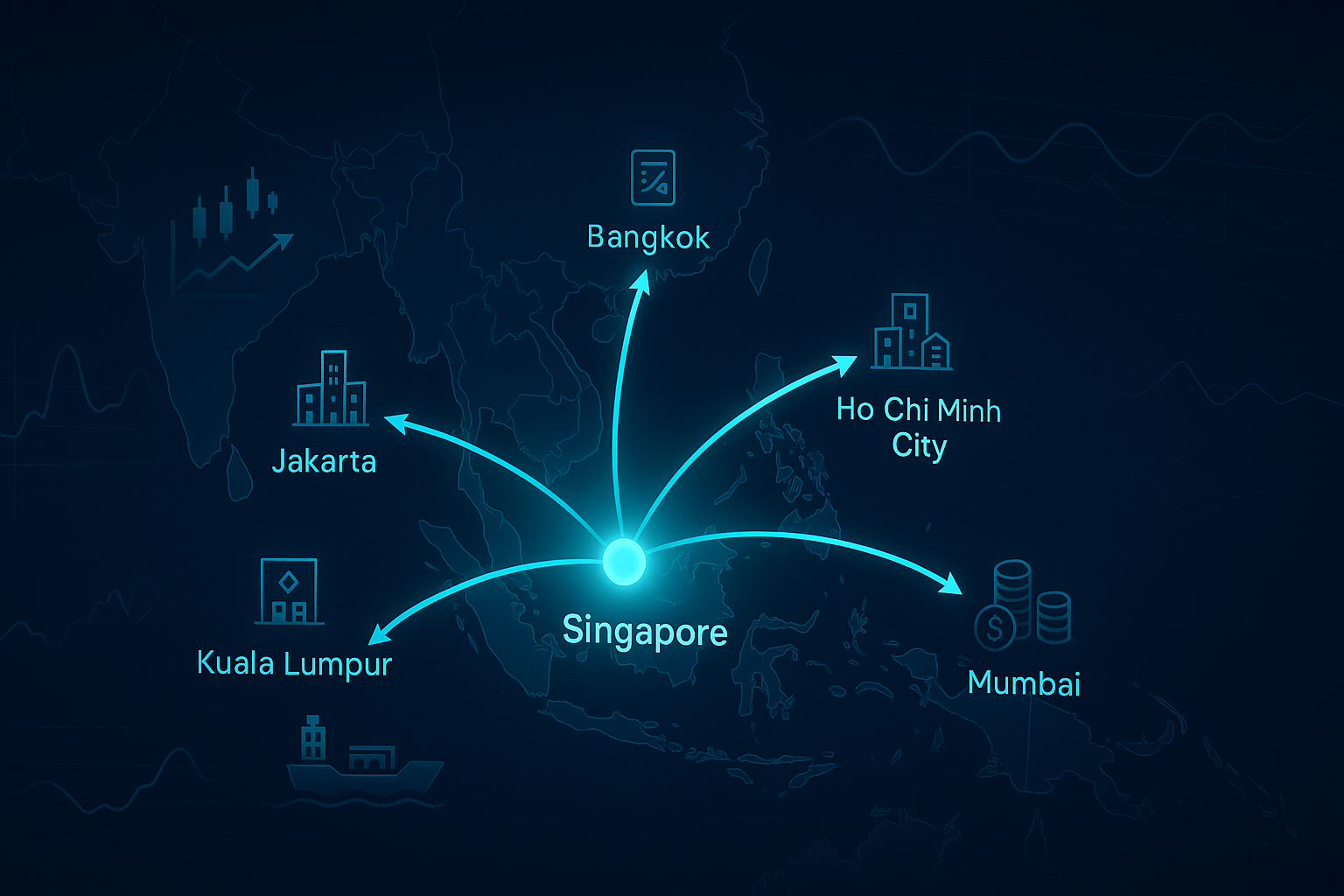
Demand also plays a central role. Singapore serves as a major gateway for finance, trade, logistics, and regional headquarters operations. This economic position attracts businesses and skilled workers from around the world, which in turn drives the need for office space, housing, retail environments, and industrial facilities. Because property demand is linked to the broader economy, investors often view Singapore real estate as an indirect way to benefit from the country’s wider business ecosystem.
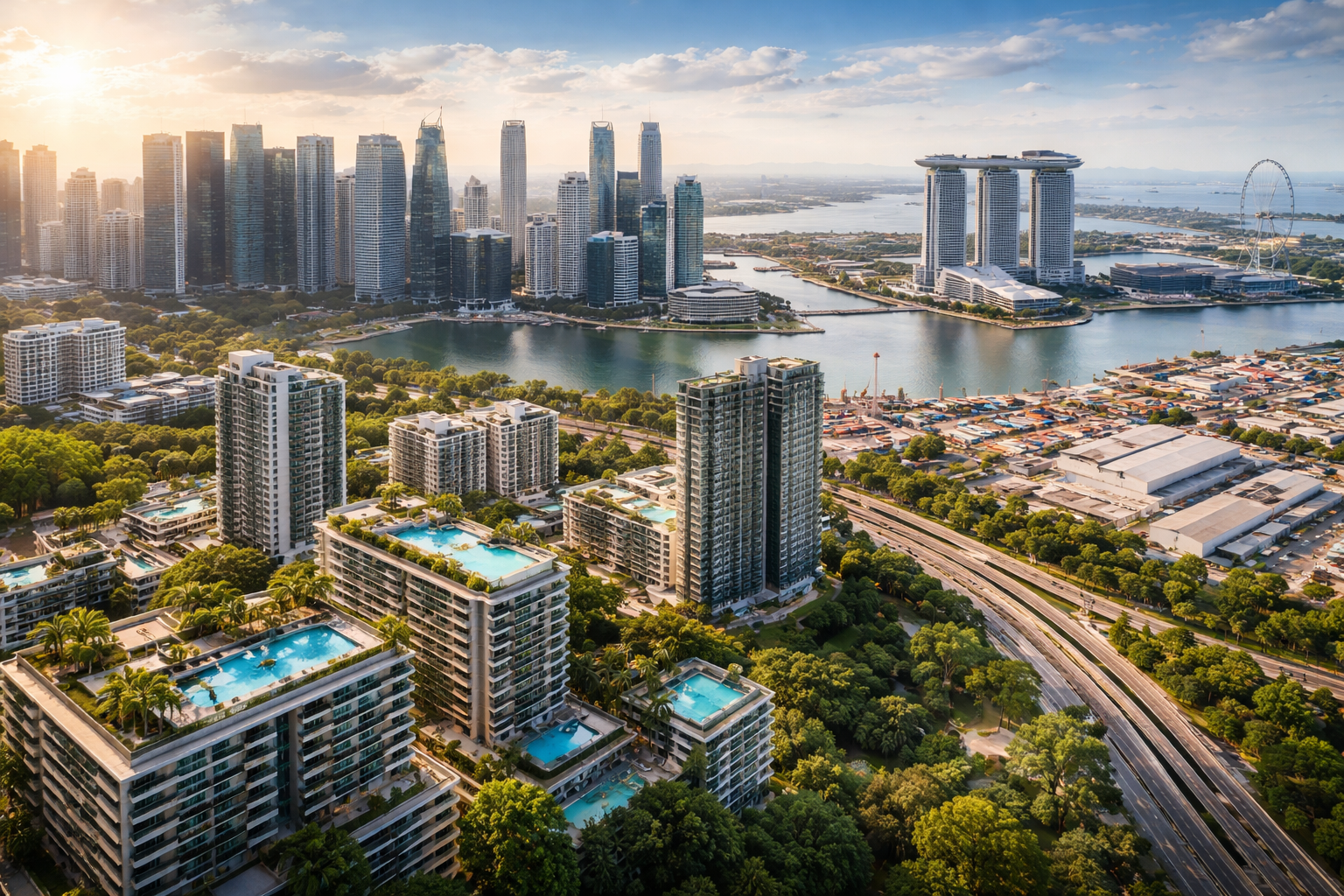
In the residential segment, investors can choose from various classes of property, including luxury apartments, mass-market condominiums, and selected landed homes. Prime residential assets remain particularly desirable for buyers focused on prestige and long-term capital appreciation. Meanwhile, properties in outer districts can also perform well due to infrastructure improvements, new transit connections, and neighborhood planning that encourages self-contained communities. Rental demand is typically supported by expatriates, corporate tenants, and residents seeking flexibility, although returns vary by location, property type, and timing of purchase.
A notable characteristic of Singapore’s housing market is the government’s active role. Authorities monitor prices and borrowing patterns closely, introducing cooling measures when necessary. These include additional stamp duties, tighter lending standards, and other rules designed to keep the market from overheating. For investors, this means speculation is more difficult, but it also means the market may be less prone to extreme instability. In a world where sharp booms are often followed by painful corrections, that kind of regulatory discipline can be highly valuable.
Commercial property remains a strong pillar of the sector. Office buildings in central areas benefit from Singapore’s status as a regional business hub, where many corporations maintain headquarters or strategic operations. High-quality office assets continue to appeal to tenants that value connectivity, corporate image, and access to talent. Retail property has changed more visibly over time, but well-positioned malls and mixed-use developments still perform an essential role, especially when they are integrated with transportation networks and residential populations.
Industrial real estate has gained importance as Singapore expands its capabilities in logistics, advanced manufacturing, biotechnology, and digital infrastructure. Warehouses, business parks, and technology-related facilities have become increasingly relevant as companies modernize supply chains and invest in data-driven operations. This gives investors a broader range of options beyond traditional apartment or office ownership.
There are, however, practical considerations that cannot be ignored. Property acquisition costs are high, especially for international buyers facing additional taxes. Financing conditions, holding power, and market timing all matter. Investors must also accept that Singapore is often a market of quality and preservation rather than aggressive yield. The reward lies less in quick gains and more in owning assets within a highly credible and well-regulated jurisdiction.
Singapore’s real estate sector continues to expand because it rests on a rare combination of limited supply, durable demand, institutional trust, and strategic economic significance. For investors who value stability, clarity, and long-term positioning, it remains one of the most compelling property markets in the region.