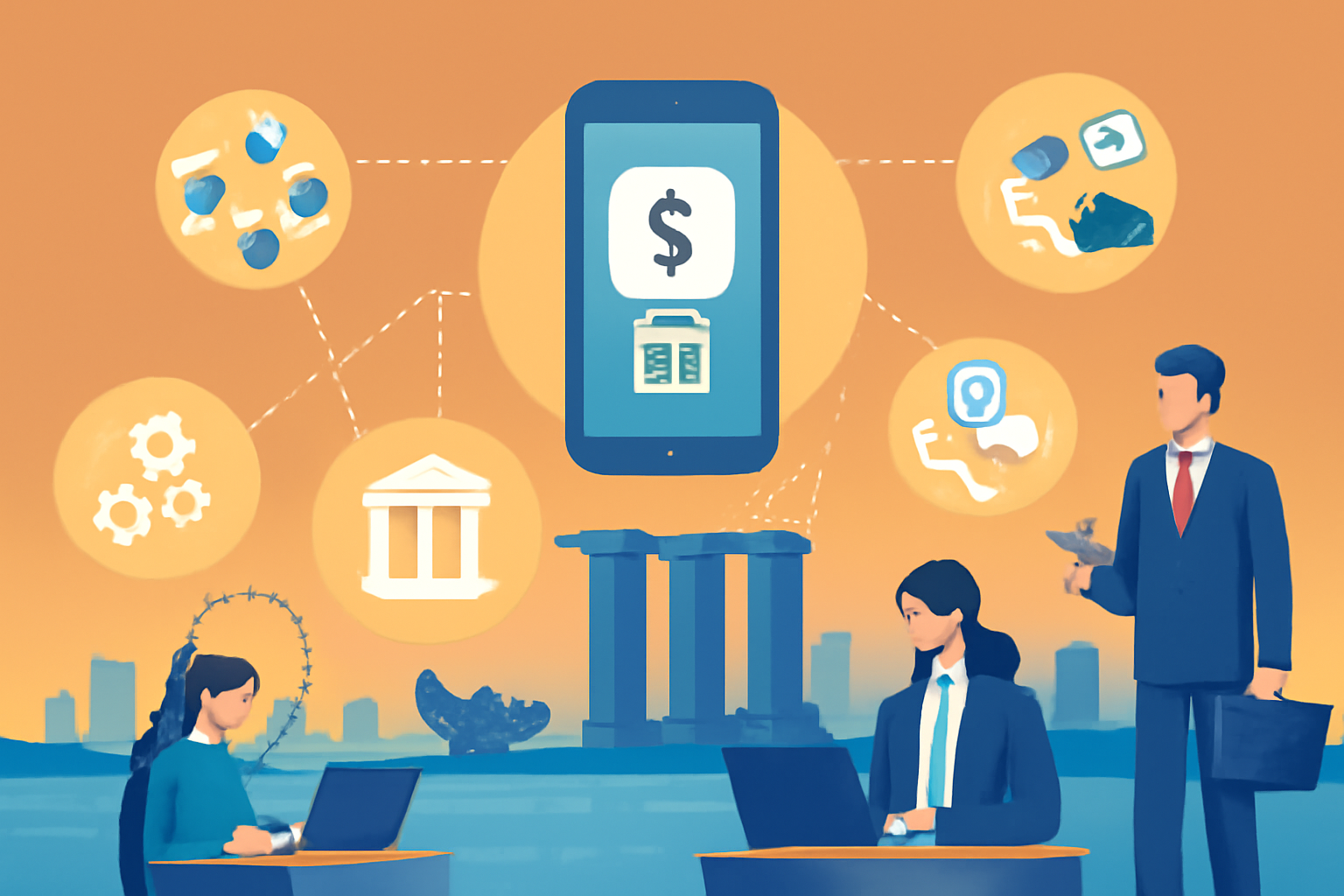
In Singapore, the conversation about “banking for the unbanked” is less about building banks and more about making formal finance workable for everyone. The remaining exclusion tends to be concentrated among people who encounter onboarding friction, digital barriers, or product misfit—especially as services shift rapidly toward mobile-first models.
Key barriers that create an “unbanked” experience
Documentation and onboarding friction: Certain groups may struggle with required proofs, changing addresses, or unfamiliar processes. Even when rules are necessary for safety, unclear instructions can create a practical barrier.
Digital exclusion: Not everyone has a modern smartphone, consistent data access, or confidence using apps.
Cost sensitivity: Fees that seem minor to middle-income users can discourage low-income households from using accounts fully.
Trust and scam anxiety: High-profile scams can make people afraid to use digital channels, even when protections exist.
Credit access gaps: People with thin or non-standard credit profiles may be locked out of mainstream lending or offered unsuitable products.
Solutions Singapore can leverage effectively
1) Inclusive account design
Basic accounts should prioritize clarity: predictable fees, simple eligibility, and easy-to-understand terms. The goal is a reliable “financial home base” for wages, transfers, and bill payments.
2) Assisted digital adoption
Digital literacy is not just “teaching apps.” It includes password hygiene, device security, scam recognition, and how to recover an account safely after a mistake. Community outreach and guided setup sessions can reduce anxiety and drop-offs.
3) Better remittance experiences
For migrant workers, inclusion improves with fair exchange rates, lower transaction costs, and convenient cash access. Clear receipts, real-time tracking, and multilingual support also matter because remittances are often high-stakes for families.
4) Responsible alternative credit assessment
Where appropriate and regulated, broader data signals can help evaluate borrowers who lack traditional credit records. The trade-off is privacy and fairness: inclusion tools must avoid discrimination and ensure consumers understand how decisions are made.
5) Accessibility-first financial services
Apps and ATMs should consider seniors and users with disabilities: larger text options, simplified navigation, voice support compatibility, and clear error messages. Accessibility is not an “extra”; it is part of inclusion.
Trade-offs and safeguards
Pushing for faster onboarding can increase fraud risk if identity checks are weakened. Encouraging more credit access can increase over-indebtedness if affordability checks are insufficient. Moving everything digital can reduce costs but may strand those who need in-person help. The practical approach is layered: maintain strong verification, offer guided pathways for vulnerable groups, keep human support available, and design “safe defaults” (transaction limits, clear confirmations, rapid freezing options).
Measuring inclusion beyond account ownership
A meaningful inclusion scorecard looks at:
- How many people can open and keep accounts without fee shock
- Whether remittances are affordable and transparent
- Digital adoption rates among seniors with low scam incidents
- Time to resolve disputes and reverse unauthorized transfers
- Availability of small, suitable financial products (savings, insurance, credit)
Singapore’s advantage is coordination: regulators, banks, fintech, and social institutions can align on shared goals. The next step is treating inclusion as a product-quality discipline—reducing friction, improving clarity, and strengthening trust—so that formal finance is not just present, but genuinely usable for everyone.