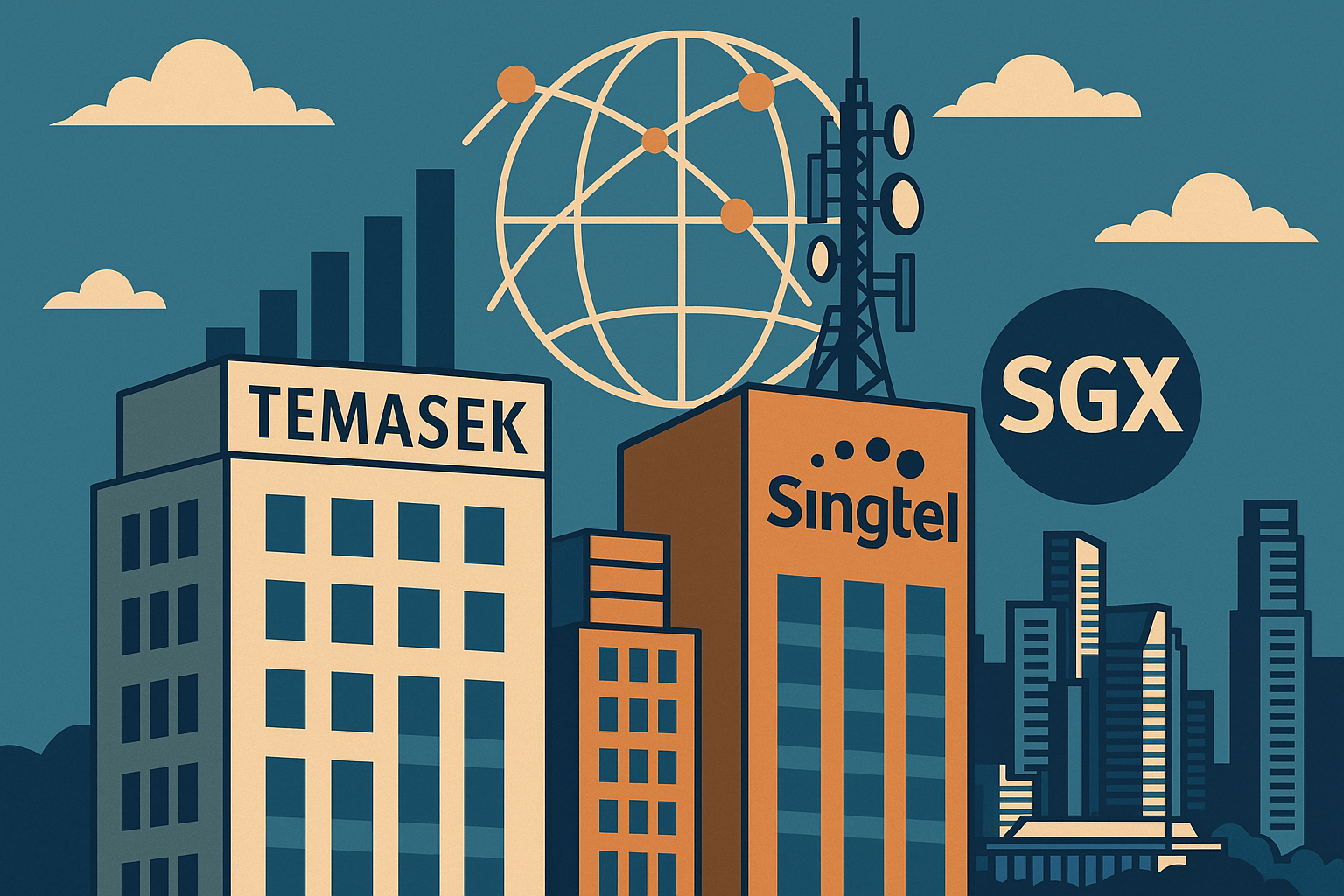
The Singapore market rewards investors who favor structure over speculation. Begin by setting up the right accounts. A CDP-linked broker lets you hold SGX-listed shares in your own name; a custodian broker can streamline multi-market access but keeps assets under custody. Map fees, corporate action handling, and platform features before choosing.
Tax considerations are straightforward for individuals: Singapore doesn’t levy capital gains tax, and most dividends from Singapore-listed companies are tax-exempt at the shareholder level. Foreign dividends may face withholding taxes in their home markets. Trading and platform fees still apply, so design your approach to keep frictions low.
A clean framework is the “three-layer” portfolio. Layer one is a broad ETF—often an STI tracker—for instant diversification across large caps. Layer two consists of income assets like Singapore REITs; assess their balance sheets, interest coverage, lease profiles, and sponsor strength, rather than fixating on yield alone. Layer three is your “ideas basket”: a handful of high-conviction names you research deeply, sized modestly to manage risk.
Adopt dollar-cost averaging to make time your ally. Set a monthly transfer into your portfolio, automate it, and review positions quarterly. Use simple triggers for rebalancing—if any layer drifts beyond set bands, bring it back in line. This keeps your risk profile steady without endless tinkering.
Do focused research. For banks and financials, track net interest margins, fee income, and loan quality. For consumer and retail plays, evaluate store productivity, online execution, and inventory turns. For industrials and logistics, watch order books, utilization rates, and cost inflation. With REITs, emphasize gearing limits, debt maturity ladders, and the sensitivity of distributions to rate shifts. Read SGX announcements to stay abreast of guidance changes and capital raising.
Risk management is non-negotiable. Cap individual positions, avoid illiquid micro-caps until you’re more experienced, and maintain an emergency fund separate from your brokerage. If you invest overseas, factor in currency volatility and the extra layer of tax rules. Rights issues are common; decide case by case whether to subscribe, renounce, or rebalance.
Keep costs in check: minimize unnecessary trades, consider using scheduled purchase plans, and consolidate small orders when appropriate. Fees that look small per trade can compound against you over a year.
Think in years, not weeks. The Singapore market offers stable franchises, steady dividends, and transparent disclosures. With a layered portfolio, regular contributions, and disciplined maintenance, you can build wealth methodically while learning to evaluate businesses with increasing nuance.