Tourism in Singapore Is a Full Economic Network
Singapore’s tourism industry in 2026 should be viewed as a business network, not just a collection of hotels and attractions. The visitor economy depends on airlines, airport operators, resorts, event venues, transport firms, payment systems, retail companies, restaurants, and digital platforms working together.
For tourism data, the Singapore Tourism Board’s official statistics and market insights hub is a useful reference: https://www.stb.gov.sg/. Businesses use this type of information to understand visitor arrivals, spending trends, and market shifts that influence their planning.
The Airport-Airline Partnership Is a Core Advantage
Changi Airport Group and Singapore Airlines
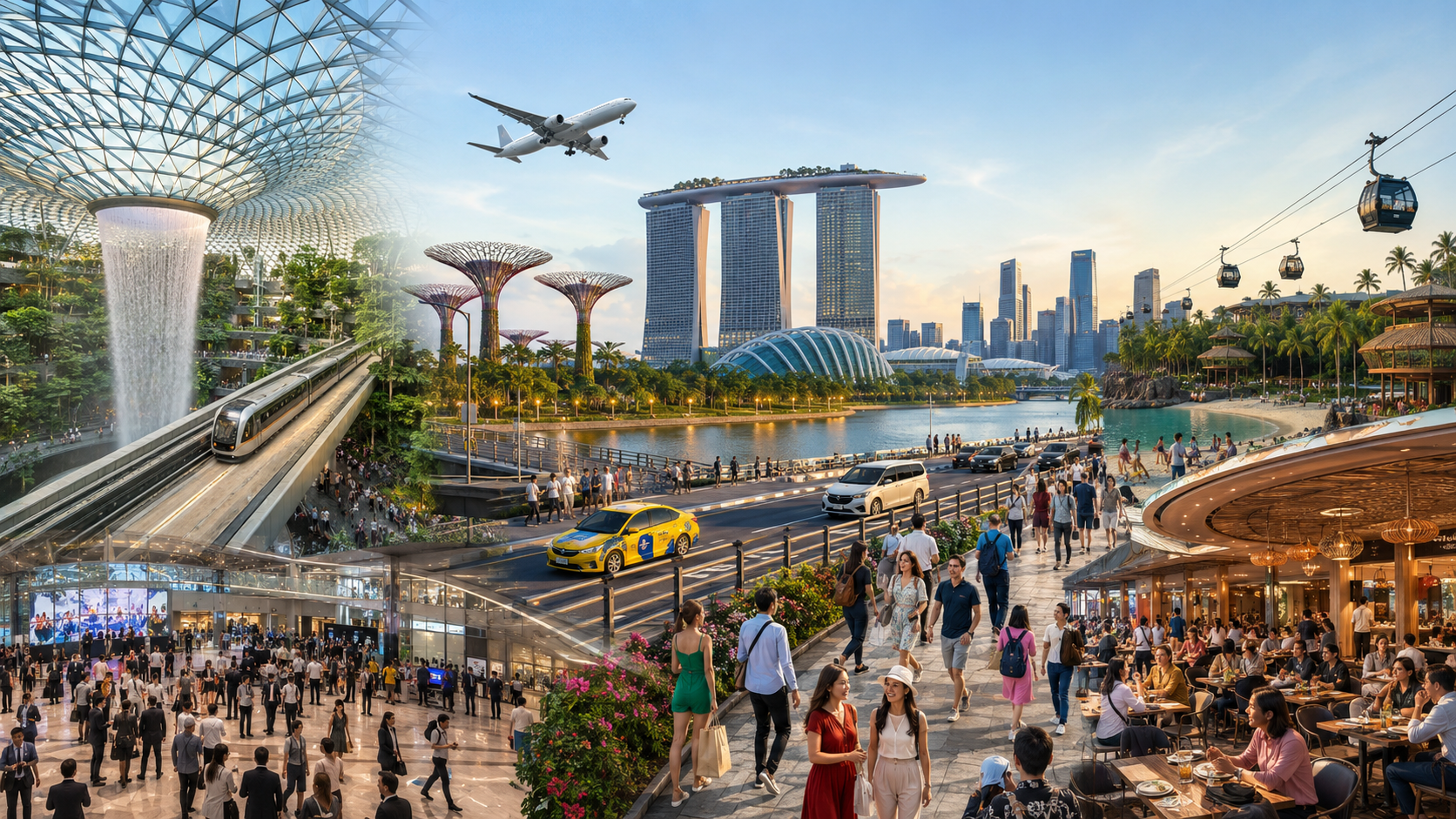
Changi Airport Group is one of the most important companies in Singapore’s tourism ecosystem. Its airport experience supports the country’s reputation for efficiency, cleanliness, safety, and innovation. Jewel Changi Airport also creates a strong commercial layer by turning airport traffic into retail and dining revenue.
Singapore Airlines strengthens this position by making Singapore accessible from major international markets. The airline’s premium brand supports the country’s image as a high-quality travel hub. Together, Changi and Singapore Airlines help Singapore compete for stopover travelers, business visitors, luxury tourists, and regional holidaymakers.
Integrated Resorts Expand the Visitor Economy
Marina Bay Sands and Resorts World Sentosa
Marina Bay Sands and Resorts World Sentosa are not ordinary hospitality companies. They function as tourism clusters where hotels, restaurants, entertainment, shopping, gaming, conventions, and attractions operate together. This model helps Singapore capture more visitor spending in a compact area.
Their role is especially important in 2026 because travelers are increasingly looking for convenience and bundled experiences. A visitor who attends a conference, eats at a celebrity restaurant, shops at a luxury mall, and visits an attraction in the same district contributes to several parts of the tourism economy at once.
Attractions Add Depth to the Destination
From Skyline Icons to Nature-Based Tourism
Singapore’s attractions help the city remain relevant in a crowded regional market. Gardens by the Bay, Sentosa, Mandai Wildlife Group, Marina Bay experiences, and cultural institutions such as National Gallery Singapore give travelers different reasons to visit.
The current shift toward experience-led tourism is significant. Families want educational attractions, younger travelers look for visually appealing places, and premium visitors seek curated experiences. Singapore’s attraction companies respond by combining design, sustainability, entertainment, and accessibility.
Transport and Technology Make Travel Feel Effortless
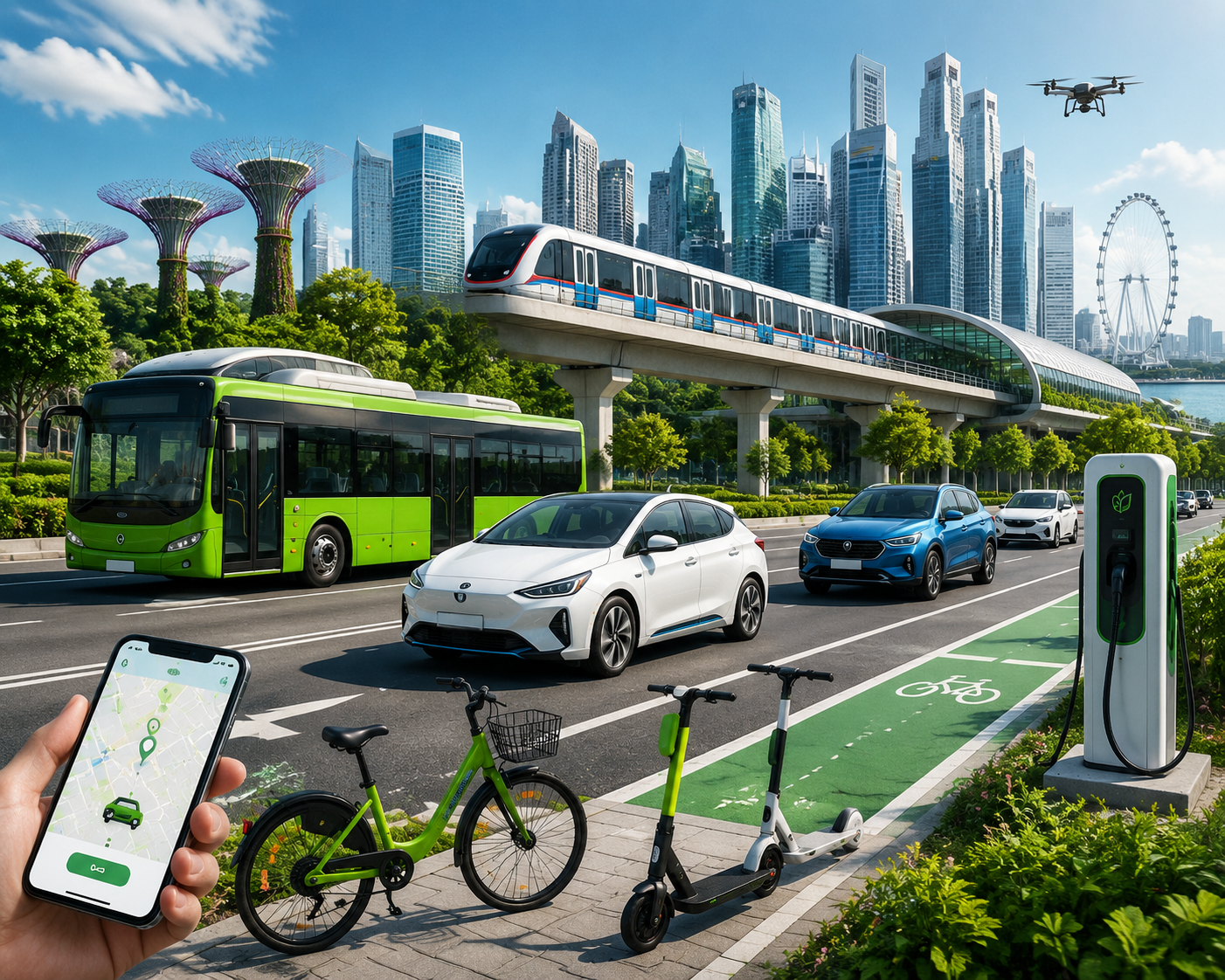
Tourism works best when movement is simple. SMRT, SBS Transit, ComfortDelGro, Grab, and private tour operators help visitors move between Changi Airport, Marina Bay, Orchard Road, Sentosa, Chinatown, Little India, and key business districts.
Technology companies also influence the visitor journey. Online booking tools, mobile wallets, food delivery platforms, map services, and reservation systems reduce friction. This matters because Singapore’s tourism promise is built around efficiency. A traveler who can book, pay, ride, dine, and explore easily is more likely to spend more and recommend the destination.
MICE Companies Bring High-Spending Visitors
The meetings, incentives, conventions, and exhibitions sector is one of Singapore’s strongest tourism assets. Sands Expo and Convention Centre, Suntec Singapore, and Singapore EXPO support international events that attract corporate delegates and industry leaders.
These visitors often generate higher spending across hotels, restaurants, transport, retail, and leisure activities. They also help Singapore maintain tourism activity throughout the year, not only during holiday seasons. In 2026, the most important insight is that Singapore’s tourism success depends on companies working as an ecosystem. Hotels and attractions may be visible, but aviation, mobility, technology, retail, and events are equally vital to the industry’s growth.