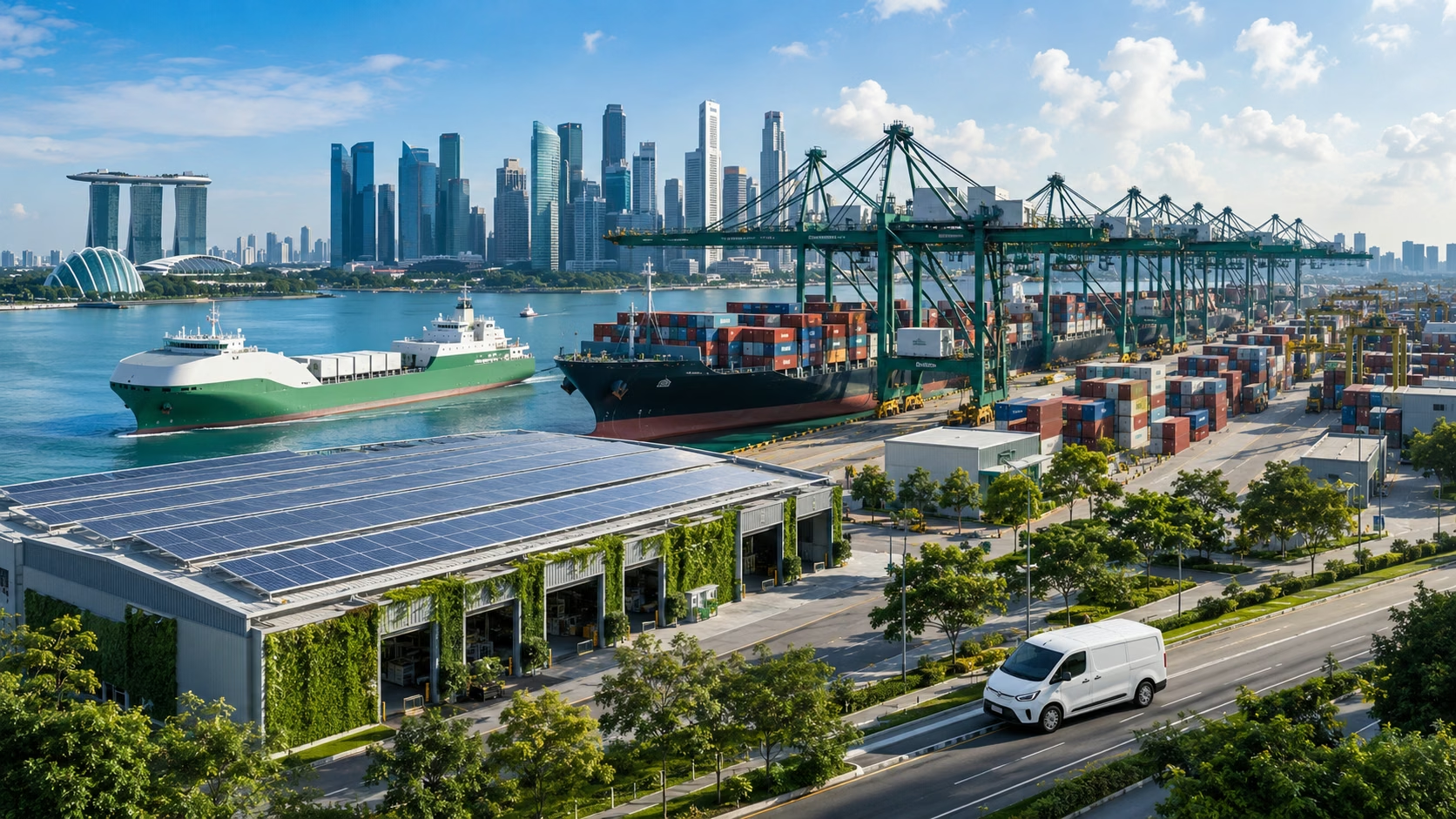
The image of the logistics industry as a low-skilled, labor-intensive sector is rapidly becoming obsolete, especially in Singapore. Facing a structural labor shortage and rising land costs, the city-state’s logistics companies are at the forefront of a technological revolution that is automating the warehouse floor and digitizing the back office. But the real story is not just about robots; it is about the creation of a new breed of logistics professional. Singapore is betting that the future of global supply chains will be won by those who master the interface between human intelligence and machine learning.
The Automated Warehouse of 2026
Walk into a modern logistics hub in the Tuas or Jurong areas of Singapore, and you are more likely to hear the soft hum of Autonomous Mobile Robots (AMRs) than the chatter of workers. Labor constraints have forced Singaporean firms to automate faster than almost anywhere else in the world.
These facilities use high-density storage systems where robots retrieve bins of products and bring them to human “pickers” stationed at ergonomic workstations. This “goods-to-person” model has increased productivity by up to 300% in some facilities. According to the National Robotics Programme, Singapore has one of the highest densities of industrial robots per worker in the logistics sector globally.
Data Analytics and Predictive Logistics
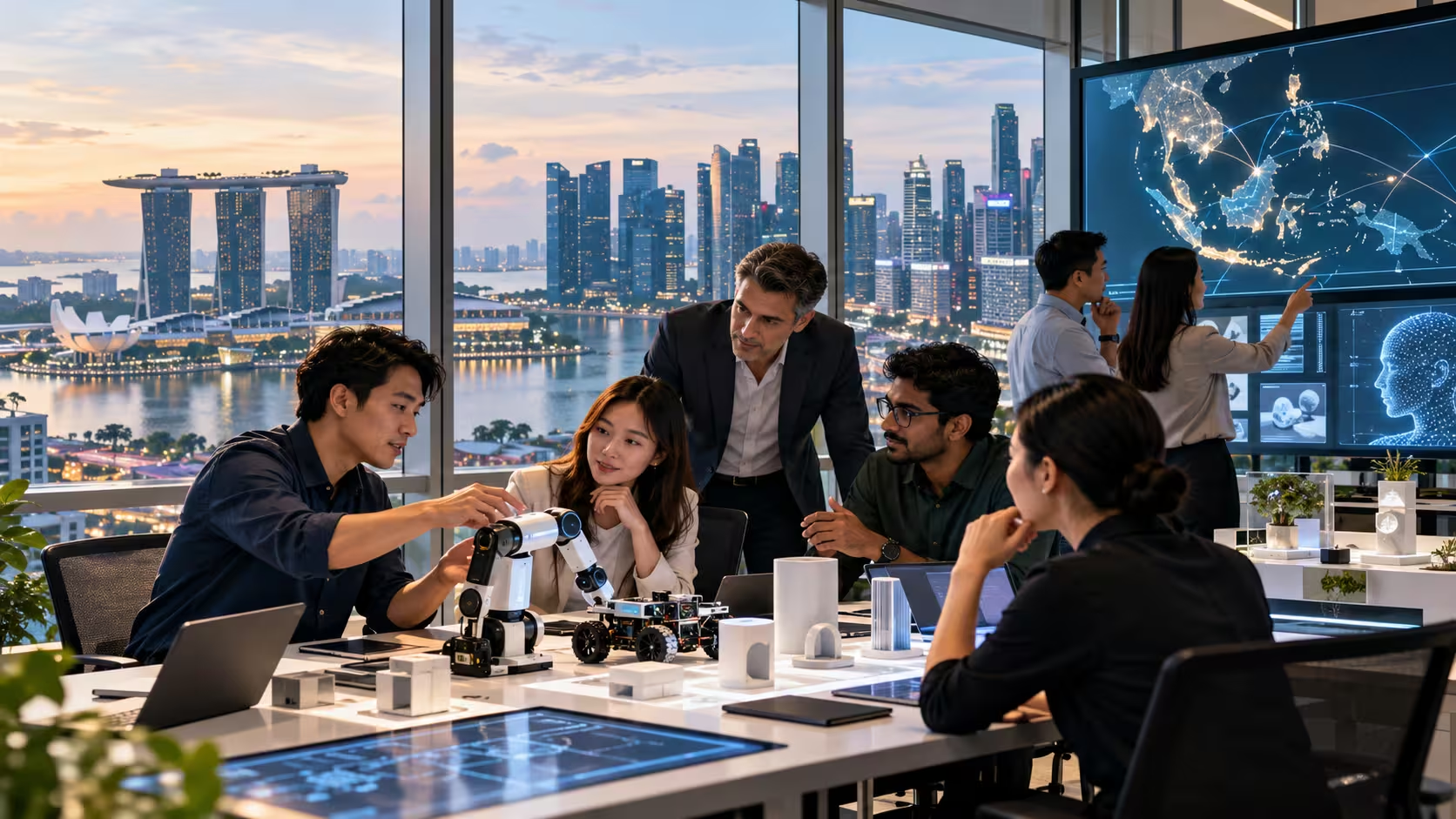
The warehouse floor is only half the story. The back office is where the real intelligence lies. Singaporean logistics firms are aggressively hiring data scientists to mine the vast amounts of data generated by their operations.
The goal is “predictive logistics.” Instead of reacting to a delay, these systems anticipate it. By analyzing historical shipping data, weather models, and social media trends, Singaporean planners can forecast a surge in demand for a product and reposition inventory before the customer even places the order. This capability transforms the logistics provider from a vendor into a strategic partner in revenue growth.
Upskilling the Human Capital
Automation requires different skills. The Singaporean government and industry bodies have launched extensive retraining programs to ensure that the local workforce is not left behind. The focus has shifted from manual labor to “mechatronics” and “supply chain engineering.”
Temasek Polytechnic and the Singapore University of Social Sciences now offer specialized degrees in Supply Chain Management that focus heavily on AI applications and automation troubleshooting. The result is a workforce that is smaller but significantly more productive and higher-paid. This aligns with the national economic strategy of moving up the value chain.
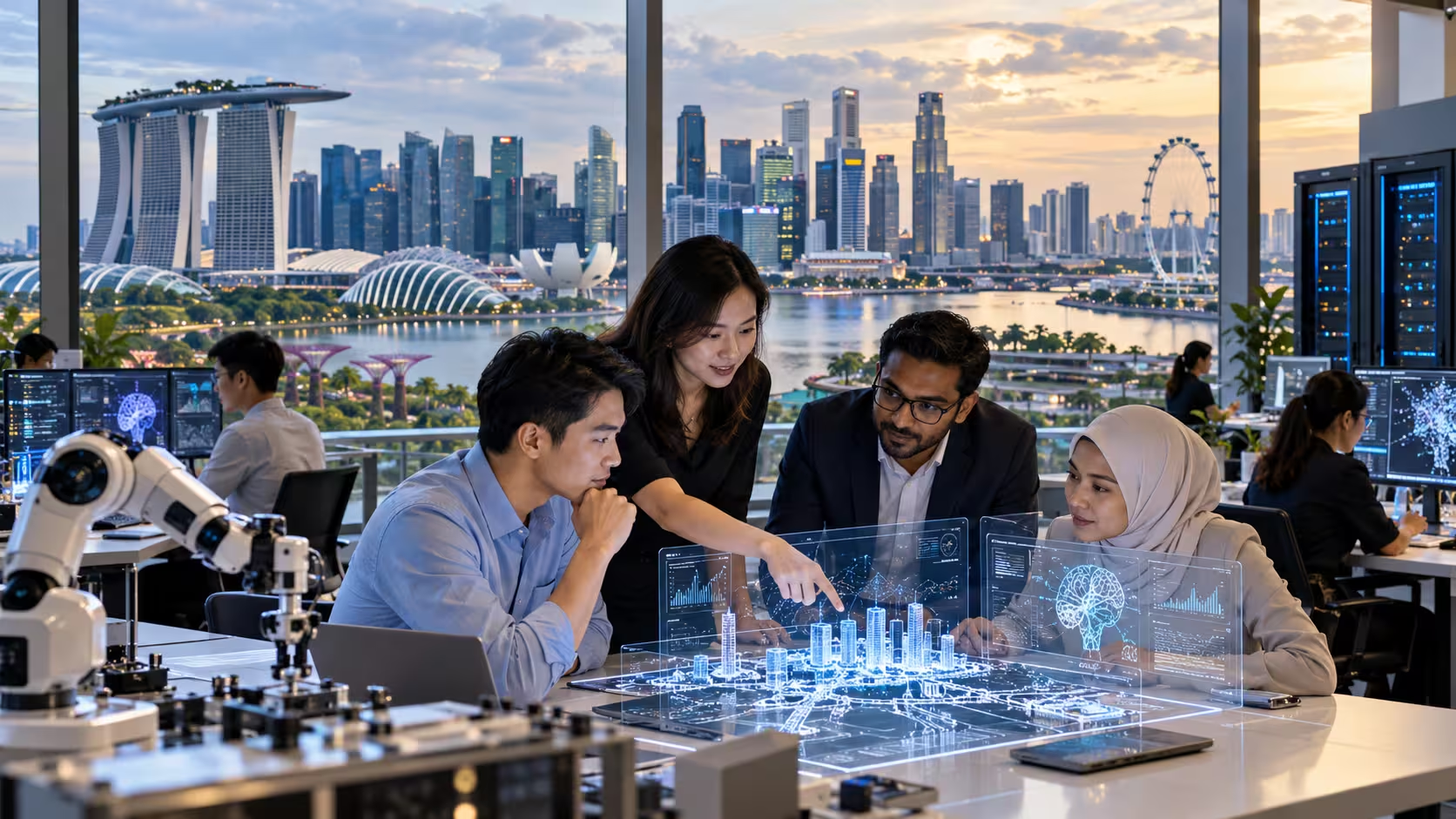
The Brain-Computer Interface
Singaporean firms are transforming logistics into a knowledge economy. By combining high capital investment in robotics with high human capital investment in data science, they are creating a defensible moat against lower-cost competitors in the region. They cannot compete on cheap labor, so they compete on intelligence. This strategy ensures that Singapore remains the brain of the Asian supply chain, even as the muscles are distributed across the region.