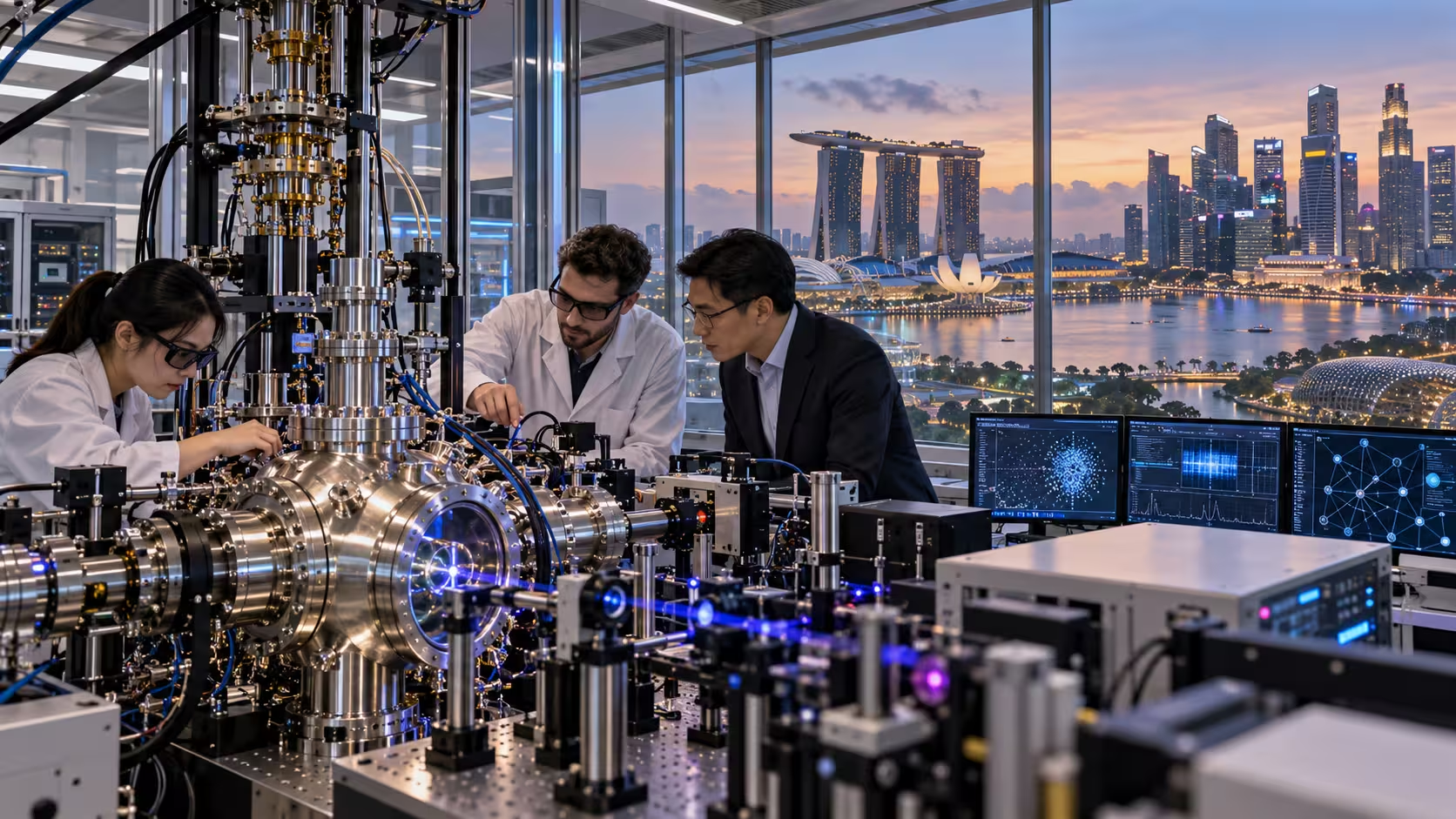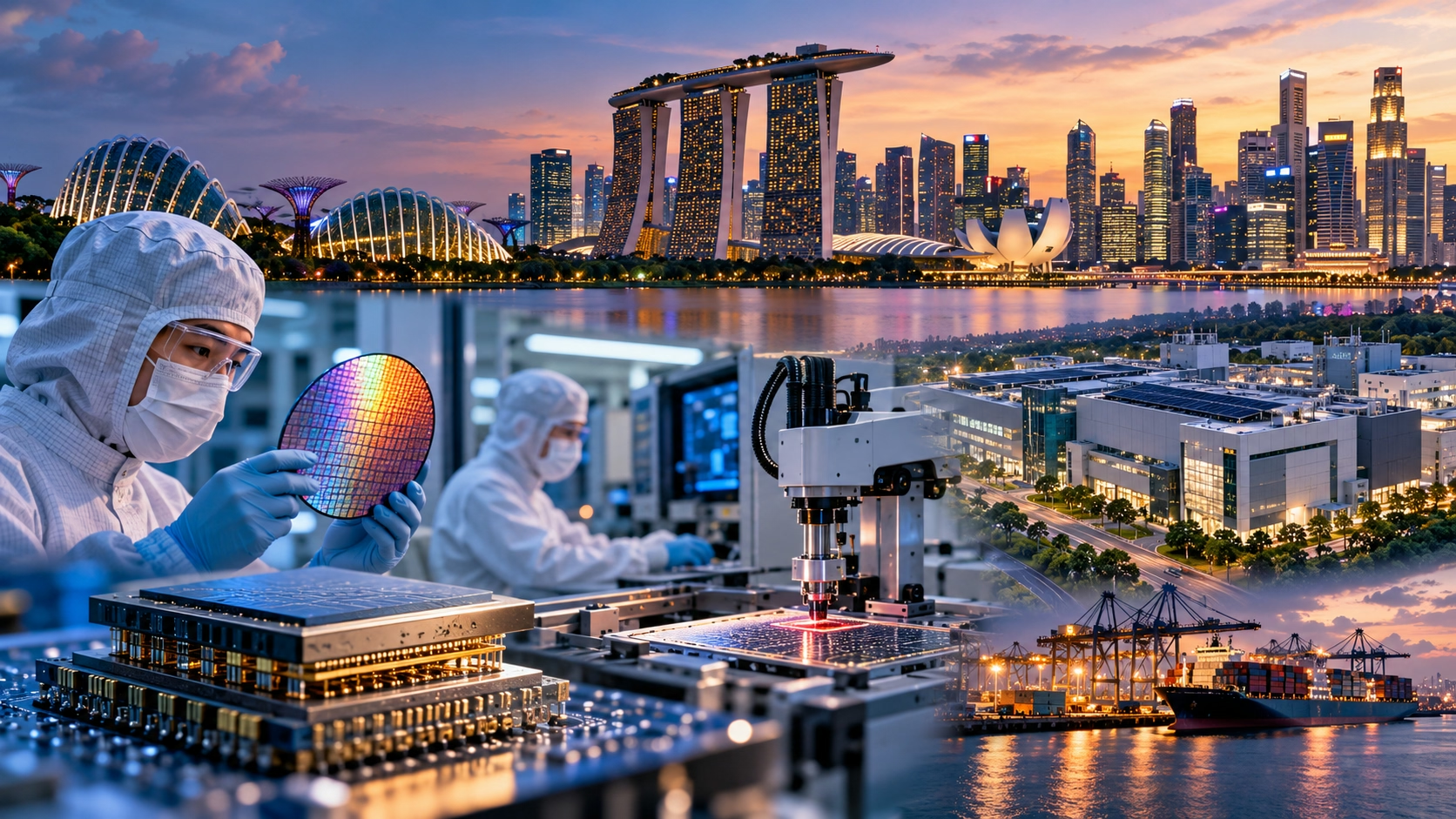
Numbers often hide stories, but in Singapore’s semiconductor startup ecosystem, numbers reveal direction. Through September 2026, semiconductor companies in Singapore had raised USD 168 million in equity funding across five rounds, with 361 active startups and 47 of them at Series A or later. This figure is not large compared with global venture hubs, but context matters: semiconductors are capital-intensive and long-cycle, so every equity dollar is usually followed by debt, research grants, or strategic investment.
Advanced Packaging Attracts Large Capital
Silicon Box is the most prominent example. In addition to a USD 150 million Series B2 equity round, the company secured a SGD 100 million debt facility in June 2026 with an option to add USD 75 million. This blended financing pattern shows that investors are beginning to understand the working capital and equipment spending needs of packaging companies. On another front, AST—although a corporate joint venture rather than a venture startup—brings large-scale facility investment that strengthens the substrate layer and creates ecosystem effects for local suppliers and talent.
Automation and AI on the Production Floor
One underheard story is the entry of automation startups onto semiconductor production floors. Galatek, a Singapore-based startup, raised around USD 30 million in a Series A round in December 2025 to accelerate AI-driven automation in life sciences and semiconductor manufacturing. In 2026, Galatek expanded its footprint to Penang and targeted the advanced packaging market with a goal of addressing micron-level yield bottlenecks. Players like this matter because yield and production efficiency are daily factory issues, not only chip design issues.
An Ecosystem with More Layers
Singapore does not only have startups; it also has increasingly complete supporting infrastructure. EDB notes that one in ten chips globally and one-fifth of the world’s semiconductor equipment are produced in Singapore, with the industry contributing nearly 6 percent of GDP and employing more than 35,000 people. This explains why semiconductor startups in Singapore can survive: they do not need to build everything from scratch. Foundries, equipment companies, research laboratories, and potential customers are already within relatively close radius.
What Still Needs Work
At the same time, early funding sizes in chip design remain relatively small. optoML’s USD 1.8 million round or RiDM’s seed round show that the path from prototype to production still needs a thicker capital bridge. Reliance on strategic investors and government funds also needs to be balanced by private venture capital willing to take more technology risk. Without that, the ecosystem risks producing many early-stage companies without enough players scaling regionally.
Reading 2026 as an Inflection Point
The combination of advanced packaging funding, substrate facility expansion, the SG Semiconductor national identity launch, and strategic investment in photonics shows that 2026 is not an ordinary year for Singapore semiconductors. If the momentum holds, the impact will be felt not only by funded startups but also by supply chains, talent, and Singapore’s position in the global division of chip industry labor. As with all semiconductor cycles, resilience will be tested when global capital spending slows.