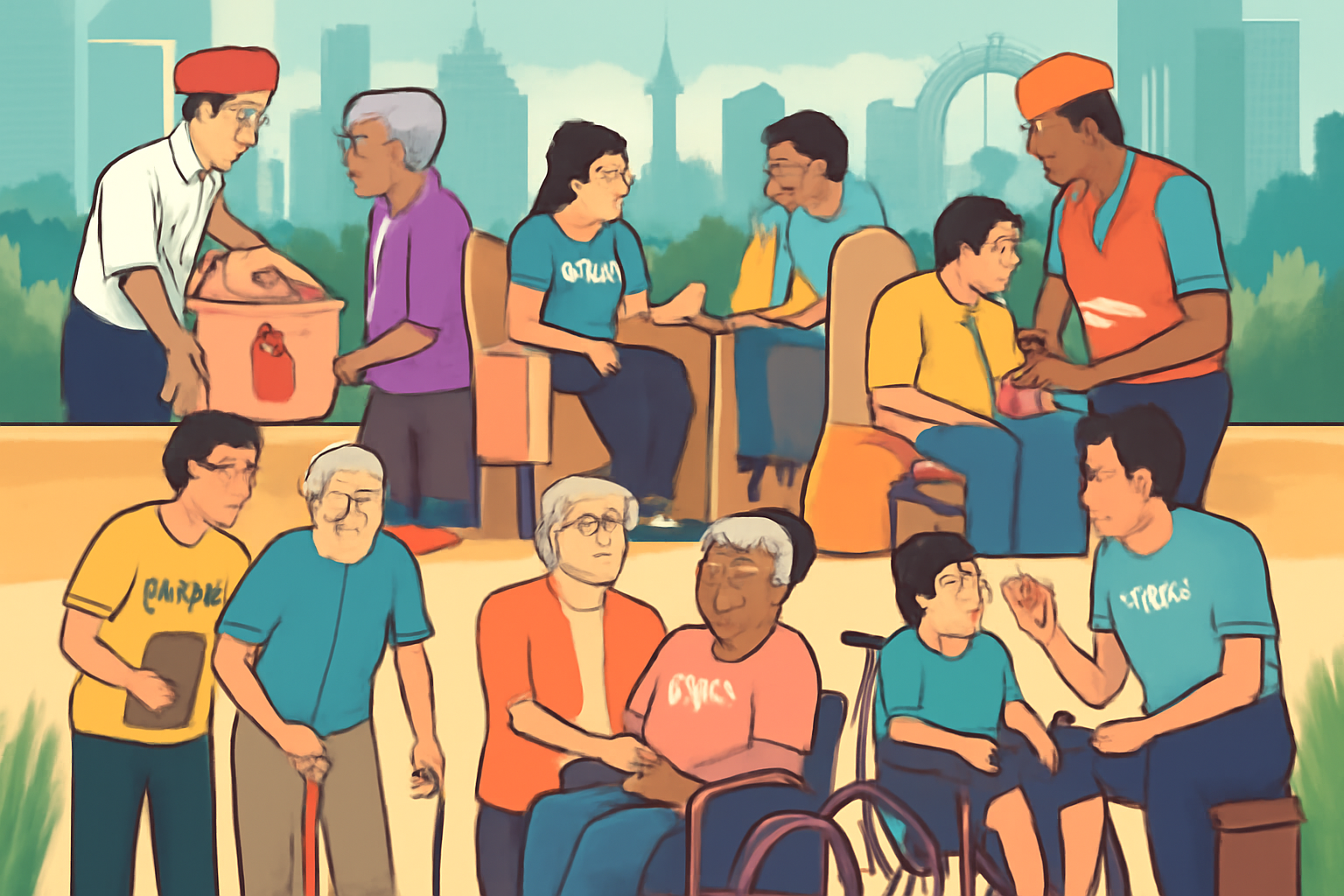
Social organizations in Singapore are an integral part of the country’s efforts to address various social problems. These organizations work tirelessly to address issues such as poverty, inequality, aging, mental health, and the rights of marginalized groups. Through their advocacy, programs, and services, they contribute significantly to improving the lives of vulnerable individuals and enhancing social cohesion within the nation.
A primary concern in Singapore is the rising levels of inequality. While the country’s wealth has increased, the gap between the rich and the poor has widened. To combat this issue, social organizations like the Singapore Council of Social Service (SCSS) and the Community Chest provide financial assistance, educational programs, and skills training for low-income families. They also facilitate initiatives aimed at reducing social exclusion, ensuring that everyone has access to opportunities for personal and professional growth.
The elderly population is another demographic that social organizations focus on. As Singapore experiences an aging population, organizations such as the Agency for Integrated Care (AIC) and the Alzheimer’s Disease Association (ADA) work to improve the quality of life for elderly citizens. These organizations provide a range of services, from health support to social activities, ensuring that seniors remain engaged and receive the care they need.
Migrant workers are also an important focus for many social organizations in Singapore. Despite being a vital part of the workforce, migrant workers often face harsh living conditions, exploitation, and lack of legal protections. Organizations like the Migrant Workers’ Centre (MWC) and Transient Workers Count Too (TWC2) advocate for better working conditions, offer legal advice, and provide essential services such as medical care and housing for migrant workers.
The issue of mental health has gained significant attention in recent years. Organizations such as the Singapore Mental Health Institution (SMHI) and the Samaritans of Singapore (SOS) have been at the forefront of mental health advocacy. These organizations run public education campaigns, provide counseling services, and work to reduce stigma surrounding mental illness, helping individuals who are struggling to access the care they need.
The inclusion of people with disabilities in all aspects of life is another priority for social organizations in Singapore. Organizations like the Disabled People’s Association (DPA) and the Singapore Disability Sports Council (SDSC) work to promote the rights of people with disabilities. They advocate for accessible infrastructure, inclusive education, and workplace opportunities, ensuring that people with disabilities can fully participate in society and lead independent lives.
In addition to these specific areas, social organizations in Singapore also focus on fostering a sense of community and social cohesion. Grassroots organizations and community centers create programs that bring people together, allowing them to connect, share experiences, and support one another. These community-driven initiatives promote inclusivity and strengthen the bonds between residents, helping to build a more cohesive society.
Social organizations in Singapore also benefit from collaboration with various sectors, including the government, the private sector, and other NGOs. This multi-faceted approach ensures that resources are effectively utilized, and solutions to social issues are both sustainable and impactful. Through collective efforts, these organizations work to ensure that no one in Singapore is left behind.
By addressing issues such as poverty, inequality, aging, migrant workers’ rights, mental health, and disability inclusion, social organizations play a pivotal role in creating a more inclusive and compassionate society. Their efforts make Singapore a more just and equitable place for all its citizens.