In the face of rising environmental concerns and the need for sustainable development, Singapore has positioned itself as a leader in the adoption of renewable energy. Renewable energy companies in Singapore have played a crucial role in the country’s transformation into a green energy hub. Through the implementation of innovative technologies and sustainable practices, these companies are not only changing the country’s energy landscape but also contributing to global sustainability efforts.
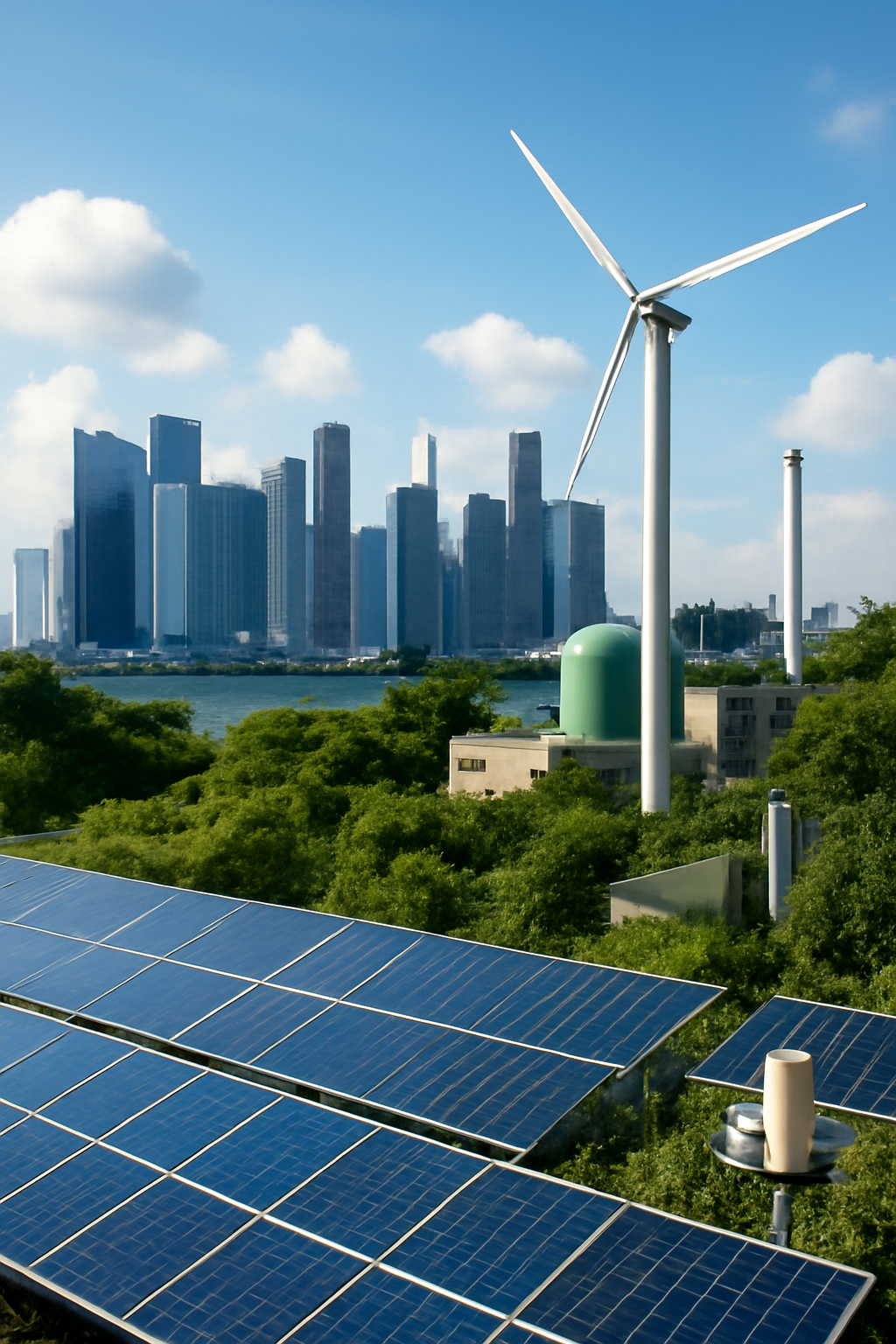
Solar energy is one of the main pillars of Singapore’s renewable energy strategy. Despite its small land area, Singapore has maximized its solar potential by focusing on rooftop solar installations. Leading companies in the sector, like Sunseap and Sembcorp, have developed large-scale solar projects that generate clean electricity for homes and businesses across the country. The country aims to increase its solar energy capacity significantly by 2030, which will help reduce its carbon emissions and reliance on fossil fuels. The Singapore government has set an ambitious target of installing solar panels on at least 60% of Singapore’s rooftops by the end of this decade, which is expected to make a major contribution to the country’s renewable energy production.
Another area that renewable energy companies in Singapore are focusing on is offshore wind energy. While onshore wind power may not be feasible due to limited space, offshore wind farms present an opportunity to tap into this renewable resource. International players like Ørsted, which specializes in offshore wind energy, are partnering with local companies to explore this potential. Although offshore wind farms are still in the experimental phase, the country is hopeful that they will become an essential part of Singapore’s renewable energy future.
The bioenergy sector is also gaining momentum in Singapore. Waste-to-energy solutions, where waste materials are converted into electricity, offer a dual benefit: reducing waste sent to landfills and providing a source of renewable energy. Companies such as the Singapore Waste-to-Energy Facility are working on projects that convert waste into electricity, helping to address both waste management and energy production issues simultaneously. This sector is crucial to Singapore’s goal of reducing its overall environmental footprint while creating more sustainable energy options.
Government policies and support have played a significant role in the success of Singapore’s renewable energy sector. Through initiatives like the Green Plan 2030, the government has outlined strategies to increase the share of renewables in the country’s energy mix. These include expanding solar energy capacity, exploring wind power, and developing smart grids and energy storage solutions. By providing financial incentives, tax breaks, and research funding, the government has created a supportive environment for renewable energy companies to thrive.
Energy storage technology is another critical area of development for Singapore’s renewable energy companies. Efficient storage solutions are necessary to address the intermittent nature of renewable energy sources, such as solar and wind. The development of advanced batteries and smart grids is essential for ensuring that renewable energy can be stored and distributed when needed, making the energy system more reliable. Research institutions like the Energy Research Institute @ NTU (ERI@N) are collaborating with local companies to improve energy storage technologies and ensure the country’s energy future remains secure.
Singapore’s renewable energy companies are also expanding beyond local borders, contributing to the global green energy transition. Companies like Sembcorp and Sunseap have ventured into international markets, working on renewable energy projects in Asia, the Middle East, and beyond. These efforts help showcase Singapore’s expertise in clean energy technologies and position the country as a leader in the global renewable energy sector.
By embracing renewable energy technologies and fostering innovation, Singapore’s energy companies are helping the city-state transition to a more sustainable energy future. Through the collaboration of businesses, research institutions, and government agencies, Singapore is well on its way to becoming a global green energy leader.