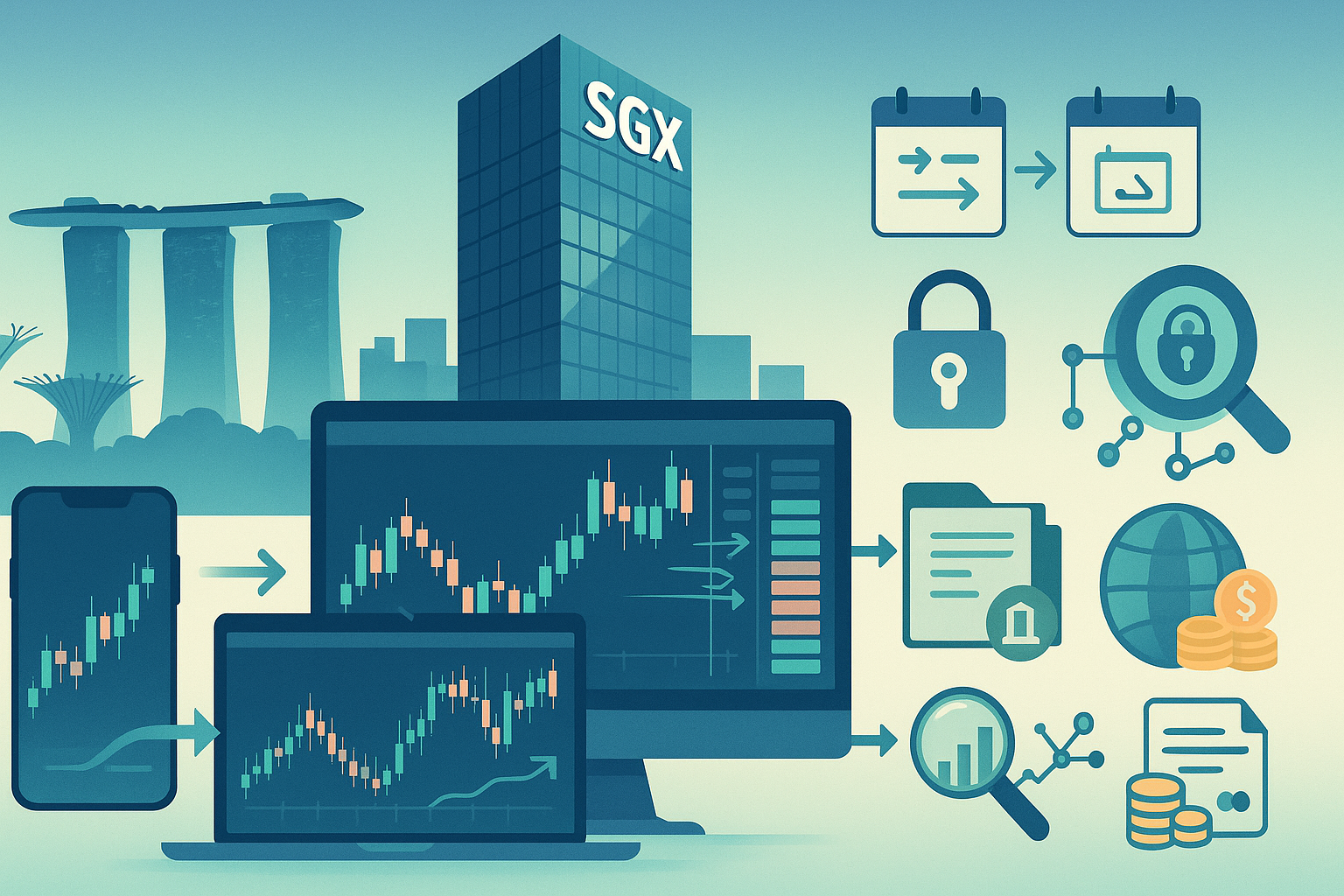
Rise of Digital Distribution Channels
Digital wealth platforms have become a primary gateway for mutual fund purchases in Singapore, especially among investors under 40. Platforms such as Endowus, StashAway, Syfe, and bank-owned apps now offer curated unit trusts with zero sales charges and lower ongoing fees. According to MAS FinTech development data at https://www.mas.gov.sg/development/fintech, digital advisory and fund distribution platforms accounted for an estimated 35% of new retail unit trust sales in early 2026. This shift is not just about convenience; it is changing how products are designed, priced, and marketed. Traditional distributors that relied on upfront commissions have been forced to adapt by launching their own digital channels or partnering with existing platforms.
Mobile-First Fund Platforms and Fractional Investing
Mobile-first interfaces have lowered cognitive barriers to fund investing. Features such as goal-based planning, automatic rebalancing, and fractional unit ownership allow investors to start with as little as SGD 100. This has broadened the investor base beyond the traditional mass affluent segment. For asset managers, digital platforms provide real-time demand data, enabling quicker product iteration. A current example is the rapid rollout of dividend and income-focused portfolios on robo-advisors in response to user demand for regular payouts. This responsiveness contrasts with the slower product development cycles of traditional fund houses.
Fee Compression and Product Curation
Digital platforms have accelerated fee compression across Singapore’s fund industry. Many robo-advisors negotiate institutional share classes or rebate trailer fees, resulting in net expense ratios that are 40–60% lower than retail share classes sold through banks. MAS has supported this trend by requiring clearer disclosure of all-in costs. In 2026, trailer fee restrictions have further reduced conflicts of interest. However, product curation is also narrowing choice; platforms tend to feature a limited number of funds that fit their risk models. This can be beneficial for avoiding analysis paralysis but may exclude niche strategies that some sophisticated investors want.
Trailer Fee Changes Under MAS Rules
The regulatory shift away from trailer fees has realigned incentives. Previously, distributors earned recurring commissions from fund managers, which sometimes led to biased recommendations. Under the 2026 fee disclosure rules, platforms must show clients the total cost of ownership, including fund-level expenses and platform fees. This transparency has pushed investors toward lower-cost passive funds and carefully selected active funds. It has also encouraged asset managers to compete on performance rather than distribution payments.
Strategies for Young Investors Using Digital Platforms
Young investors should treat digital platforms as a tool, not a substitute for a clear investment plan. Start by defining a specific goal—such as a housing down payment, education, or retirement—then select a portfolio that matches the time horizon. Many platforms offer risk profiling, but it is useful to review the underlying fund holdings independently. Because digital platforms make switching easy, there is a temptation to chase recent winners. A better approach is to automate contributions and rebalance annually. For investors using CPF or SRS funds through digital platforms, check whether the platform supports those account types and whether the CPFIS-approved fund list applies. In 2026, the most effective digital-first investors combine low-cost automated portfolios with periodic human advice for tax and estate considerations.