The financial sector of Singapore has experienced considerable turbulence during times of global economic crisis. As a key player in the international financial system, Singapore is highly vulnerable to global financial disruptions. Understanding how these crises shape the financial landscape is crucial for evaluating the resilience and adaptability of Singapore’s financial institutions. In this article, we explore the long-term effects of global economic crises on Singapore’s financial sector.
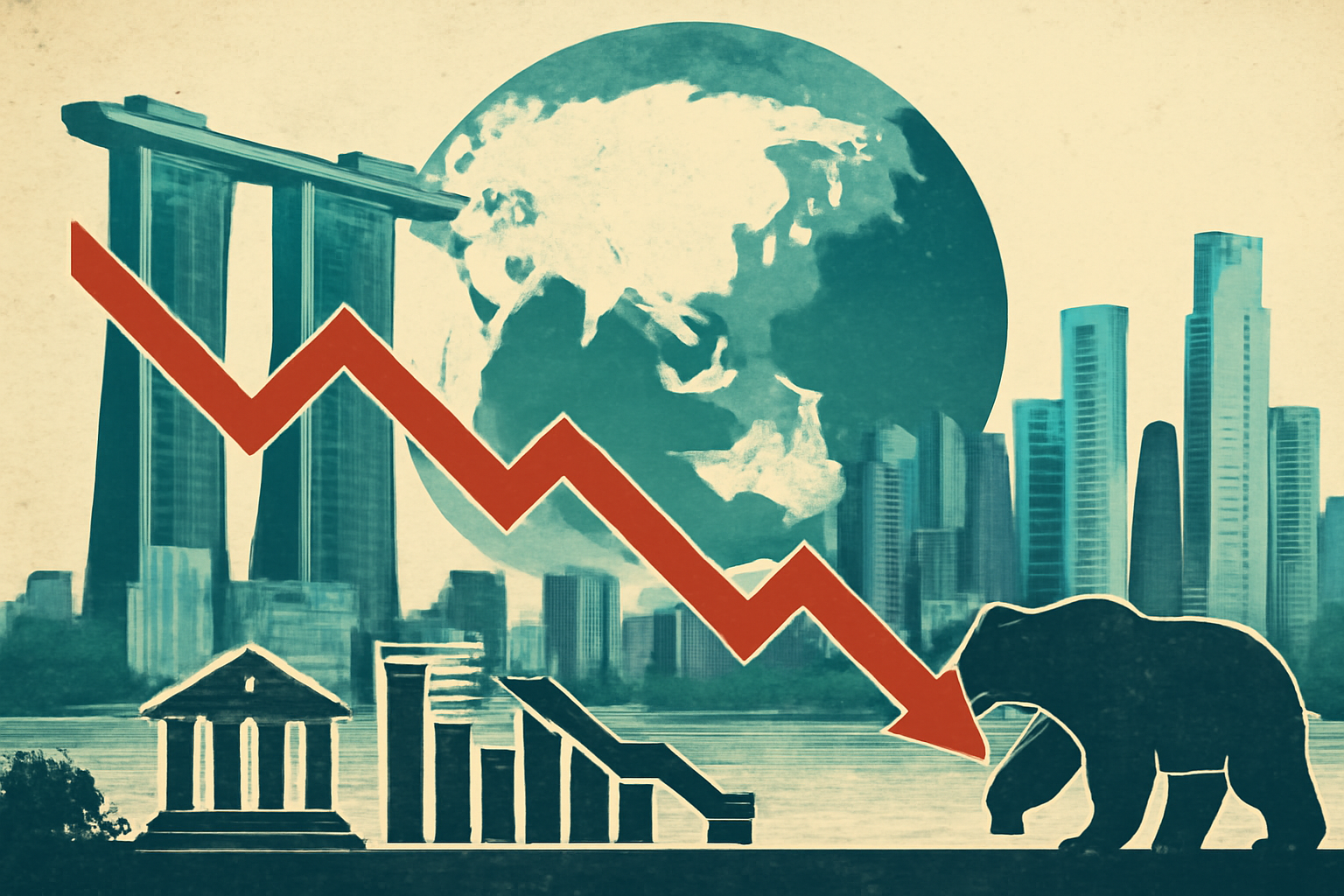
The 2008 global financial crisis (GFC) had a profound and lasting impact on the financial markets in Singapore. As the crisis unfolded, Singapore’s financial sector experienced significant shocks, including a drop in stock prices, a reduction in international trade, and a decrease in demand for financial services. Global investors pulled back from the market, which led to a contraction in liquidity and a reduction in foreign capital inflows.
Singapore’s highly integrated financial system meant that the country was not immune to the effects of the crisis. However, the swift actions taken by the Singaporean government and regulatory authorities helped to stabilize the economy. The Monetary Authority of Singapore (MAS) provided liquidity support to banks, and the government implemented various stimulus measures to support businesses and individuals. These efforts were instrumental in preventing a full-scale financial meltdown.
In the aftermath of the GFC, Singapore’s financial institutions took a number of steps to enhance their resilience. Many financial firms adopted more cautious risk management strategies, focusing on long-term stability rather than short-term gains. This shift in approach contributed to the country’s ability to weather subsequent financial shocks, including the global COVID-19 pandemic.
The long-term effects of the GFC also led to significant regulatory changes. Singapore adopted stricter international banking standards, including the Basel III regulations, which aim to strengthen capital buffers and improve the stability of financial institutions. These regulatory changes were crucial in ensuring that banks had the necessary resources to handle future economic disruptions.
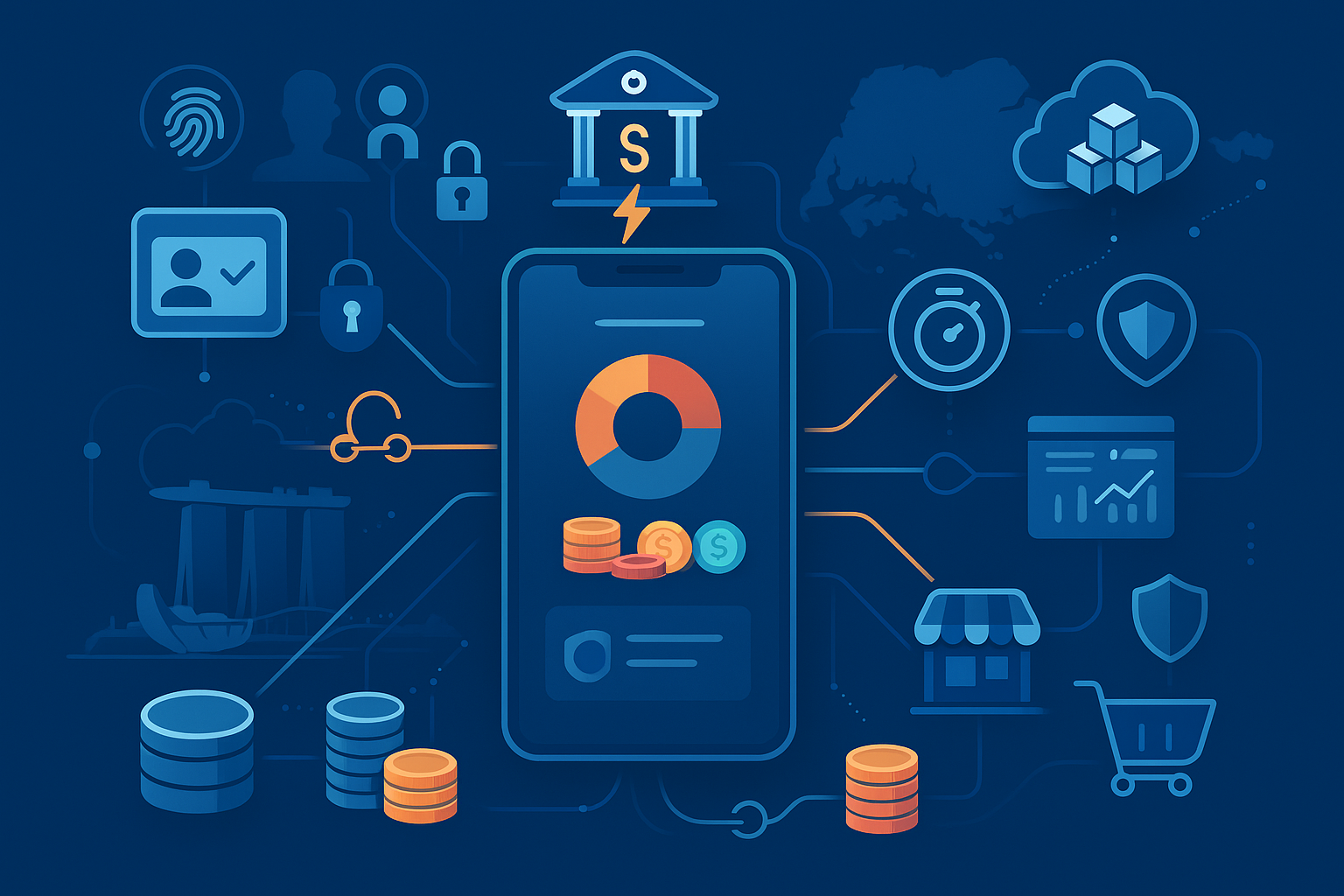
The global economic environment has remained turbulent, with trade wars, geopolitical uncertainties, and ongoing shifts in global market dynamics. Despite these challenges, Singapore’s financial sector has continued to evolve, focusing on diversification and technological innovation. The rise of digital banking, fintech, and alternative investment products has allowed financial institutions to remain competitive in an increasingly complex global marketplace.
As the world continues to face economic uncertainty, Singapore’s financial sector remains resilient. Through a combination of prudent regulation, innovation, and strategic adaptation, Singapore has positioned itself as a stable and trusted financial hub, capable of navigating the challenges posed by global economic crises.