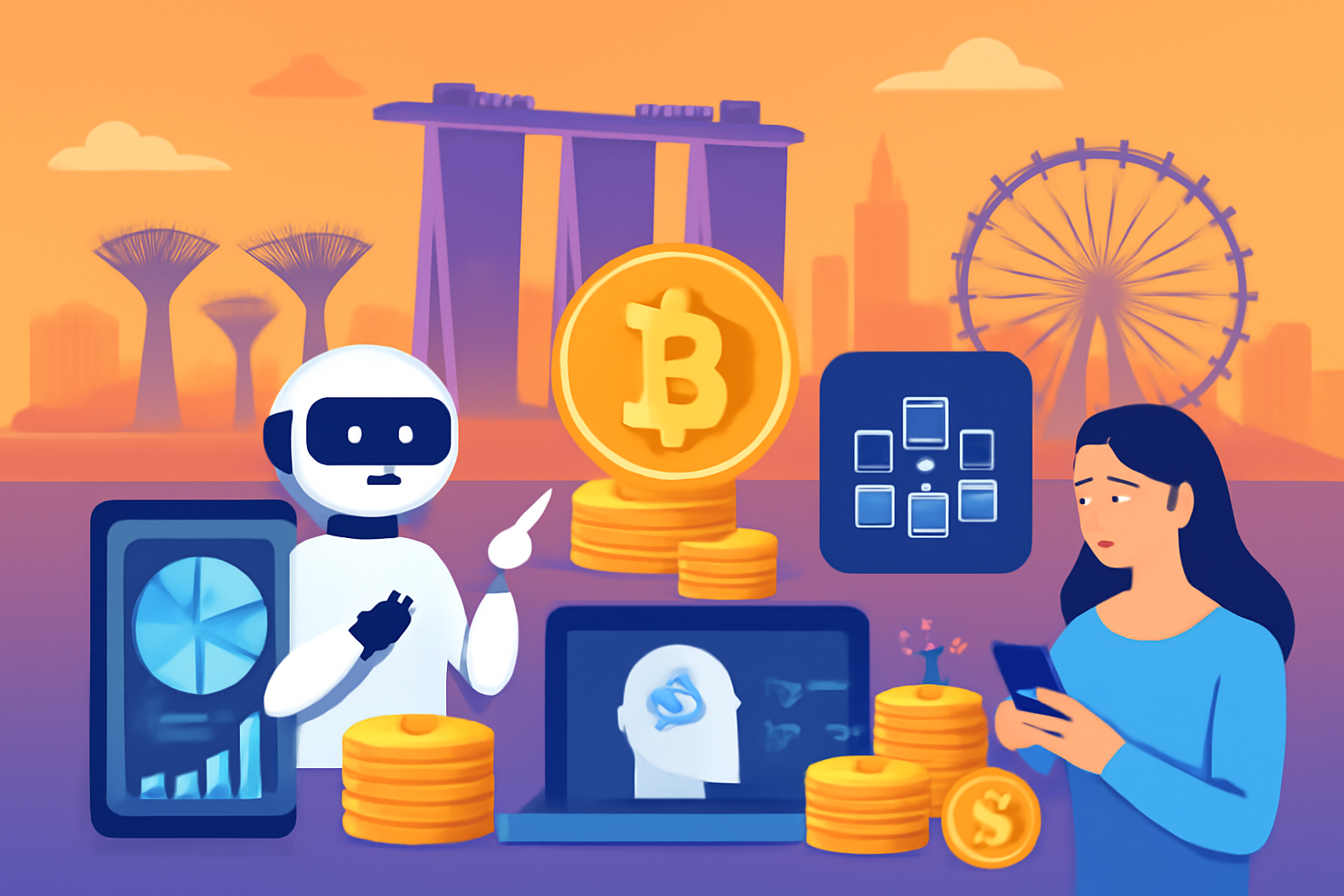
Singapore’s position as a leading global financial hub has been reinforced by the consistent and growing participation of foreign investors in its stock market. The influx of foreign capital has not only bolstered market liquidity but has also contributed to the growth of the Singapore Exchange (SGX). This article delves into the trends, benefits, and challenges of foreign investment in Singapore’s stock market, exploring the effects on the broader economy and financial sectors.
1. Trends in Foreign Investment in Singapore
Singapore has long been a magnet for foreign investors, thanks to its sound financial system, high levels of transparency, and investor-friendly policies. Over time, foreign investments have come to represent a significant proportion of total trading volumes on the Singapore Exchange, with reports indicating that foreign investors accounted for nearly half of the trading activity in 2022. This trend underscores the importance of international capital in sustaining the market’s growth and liquidity.
The composition of foreign investors in Singapore’s stock market has evolved, with a noticeable increase in participation from Chinese, American, and European investors. Many of these foreign players are institutional investors, such as mutual funds, pension funds, and hedge funds, who are drawn to Singapore’s financial stability and its broad range of investment opportunities. They are particularly attracted to sectors like technology, real estate, and healthcare, where there are significant opportunities for growth.
2. Economic Implications and Market Impact
The impact of foreign investment in Singapore’s stock market is far-reaching. On the one hand, foreign capital provides vital liquidity, ensuring that the market remains vibrant and efficient. High liquidity allows for smoother transactions, which benefits both local and international traders. Additionally, liquidity ensures that companies listed on the SGX can raise capital more easily, enabling them to finance expansions and operations.
Beyond liquidity, foreign investment also plays a key role in the overall health of the economy. The capital infusion into various sectors encourages innovation and drives economic diversification. For instance, investments in the tech and biotech industries have allowed Singapore to emerge as a leader in cutting-edge sectors like fintech, blockchain, and healthcare innovation.
Another significant benefit is the improvement in corporate governance. Foreign investors, particularly institutional players, bring rigorous standards and a global perspective to the market. This increased scrutiny often leads to higher levels of accountability and transparency among companies, resulting in a more stable and reliable market environment.
3. Risks and Challenges of Foreign Investment
Despite the many benefits, there are some risks associated with foreign investment. One of the primary concerns is market volatility, as external factors like global economic crises or geopolitical instability can influence foreign capital flows. Sudden withdrawals of foreign funds can lead to sharp declines in stock prices and create instability in the market.
Another risk is the potential overdependence on foreign capital. While foreign investment is vital for the growth of Singapore’s stock market, excessive reliance on external sources of funding could expose the market to vulnerabilities, especially in times of global economic uncertainty. To mitigate this risk, it is essential to maintain a healthy balance of both domestic and foreign investment.
Regulatory challenges also exist for foreign investors, particularly in keeping up with changes in local laws and compliance requirements. As Singapore’s regulatory environment evolves, foreign investors must stay informed to avoid potential risks associated with non-compliance.
Nonetheless, foreign investment continues to be a driving force behind Singapore’s economic and market development, ensuring its status as one of the most dynamic and competitive financial centers globally.