Singapore has emerged as a global leader in urban innovation, and much of this success can be attributed to its proactive and forward-thinking approach to infrastructure development. The country’s infrastructure companies are at the heart of this transformation, working hand in hand with the government and other stakeholders to design and implement projects that are not only technologically advanced but also sustainable and resilient in the face of environmental challenges.
Infrastructure development in Singapore is not just about building roads, bridges, and skyscrapers; it is about integrating technology and sustainability into every aspect of urban life. The city-state’s vision of becoming a Smart Nation relies heavily on innovative infrastructure projects that focus on improving quality of life, reducing environmental impact, and enhancing economic efficiency.
Smart Infrastructure and Technological Innovation
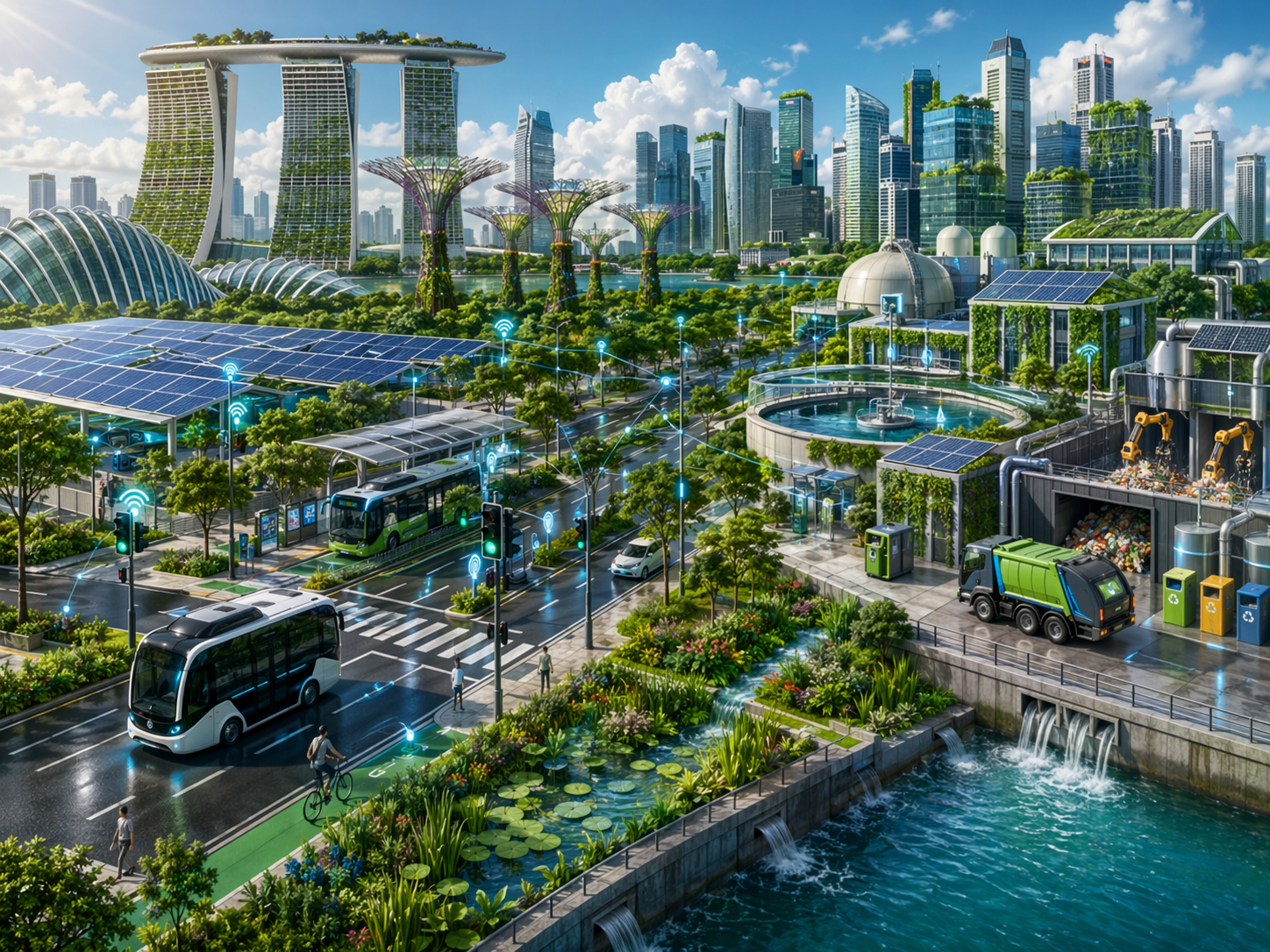
Singapore has embraced digital transformation in its infrastructure sector through the integration of smart technologies that enhance both the functionality and livability of the city. This includes the use of sensors, data analytics, and Internet of Things (IoT) systems to monitor everything from traffic patterns to air quality. These smart technologies allow for real-time decision-making and more efficient management of city resources.
Infrastructure companies like ST Engineering and Siemens have been instrumental in deploying smart city solutions, particularly in the areas of mobility and public transport. Projects such as the development of autonomous buses and smart traffic control systems aim to reduce congestion, improve transportation efficiency, and lower carbon emissions. Additionally, smart energy grids are being introduced to optimize energy usage and reduce waste.
Sustainable Design and Green Infrastructure
Sustainability is a key principle that guides infrastructure development in Singapore. The government’s focus on green building practices has resulted in a number of initiatives designed to make buildings and urban spaces more energy-efficient and environmentally friendly. The Green Mark certification system, for example, rewards developers for adopting energy-saving practices and materials.
Infrastructure companies are playing a crucial role in implementing these sustainable design principles. For instance, the Orchard Gateway complex incorporates energy-efficient cooling systems, rainwater harvesting techniques, and sustainable building materials. Moreover, green rooftops and vertical gardens are becoming increasingly common in urban developments, contributing to biodiversity and improving the urban environment.
Addressing Water and Waste Management Challenges
Singapore’s limited water resources have driven the development of advanced water management solutions. Infrastructure companies have collaborated with the government to create innovative systems that ensure a sustainable water supply for the city-state. The integration of desalination plants, rainwater harvesting systems, and wastewater recycling through the NEWater program ensures that Singapore can meet its water demands even as the population grows.
Waste management is another critical issue for Singapore, and infrastructure companies are leading efforts to reduce waste, increase recycling rates, and promote a circular economy. Initiatives such as the waste-to-energy plants and smart waste management systems help minimize the environmental impact of waste production while generating clean energy.
Building Resilience Against Climate Change
As a low-lying island city, Singapore is particularly vulnerable to the effects of climate change. To safeguard the city against rising sea levels and extreme weather events, infrastructure companies are focusing on building resilience into the nation’s infrastructure. This includes the construction of flood mitigation systems, seawalls, and drainage networks to protect vulnerable areas.
Furthermore, the city’s master plan includes the creation of more green spaces, parks, and urban forests that help absorb rainwater, reduce heat, and improve air quality. This integrated approach to urban planning ensures that Singapore remains resilient to climate change while improving the overall quality of life for its citizens.
The work of infrastructure companies in Singapore is shaping the future of urban living. By combining smart technologies with sustainable practices, these companies are helping to create a city that is not only livable today but will thrive in the future. As the world faces increasing urbanization and environmental challenges, Singapore serves as a beacon of innovation and resilience.